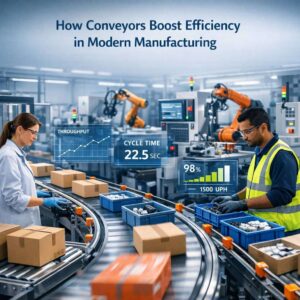
When it comes to modern manufacturing and logistics, conveyor systems play a pivotal role in enhancing efficiency and productivity. Whether you’re in warehousing, food processing, or manufacturing, choosing the right conveyor can make all the difference. In this article, we will explore the top 10 conveyor systems, their key features, and the benefits they bring to your operations.
Understanding Conveyor Systems
Conveyor systems are mechanical devices that transport materials from one location to another, helping to streamline processes in various industries. They come in diverse forms, each designed to cater to specific needs and applications. By understanding the unique features of different conveyor systems, businesses can invest wisely and optimise their operations.
1. Belt Conveyors
Belt conveyors are among the most commonly used systems in industries. Featuring a continuous belt, these conveyors transport goods over various distances.
Features:
- Flexible design suitable for different load sizes.
- Ability to handle bulk materials as well as boxed items.
- Low maintenance costs.
Benefits:
- Highly efficient for long-distance transport.
- Customisable to specific industry requirements.
- Reduces manual handling, thereby increasing safety for workers.
2. Roller Conveyors
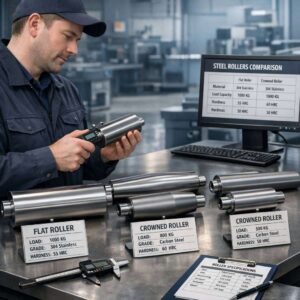
Roller conveyors utilise a series of rollers mounted on a frame, providing a surface for items to be moved along.
Features:
- Gravity-powered or motorised models available.
- Ideal for transporting heavy items.
- Minimal electrical requirements for gravity systems.
Benefits:
- Easy integration into existing processes.
- Cost-effective for heavy loads and continuous operation.
- Allows for quick and efficient transportation of goods.
3. Chain Conveyors
Chain conveyors consist of a chain that pulls items along tracks or belts. They are especially useful in heavy-duty applications.
Features:
- Durable construction to withstand heavy loads.
- Suitable for various surface types including uneven terrain.
- Available in both powered and non-powered options.
Benefits:
- Excellent for transporting bulky or heavy products.
- Reduces the need for manual handling, improving ergonomics.
- Versatile and suitable for a wide range of applications.
4. Screw Conveyors
Screw conveyors use rotating helical screws within a trough or tube to move materials, typically in bulk.
Features:
- Efficient for moving powders, grains, and other bulk materials.
- Highly configurable in terms of diameter, length, and shape.
- Can operate at various angles.
Benefits:
- Minimises spillage and material loss.
- Can be fully enclosed to protect materials and the environment.
- Ideal for limited space applications.
5. Drag Chain Conveyors
Drag chain conveyors are designed to move items or bulk materials through a chain system that drags them along a track.
Features:
- Capable of handling high-capacity loads.
- Suitable for abrasive and bulky materials.
- Offers robust construction for extended service life.
Benefits:
- Effective for difficult-to-handle materials.
- Reduces downtime with reliable operation.
- Helps maintain a clean and organised workspace.
6. Bucket Conveyors
Bucket conveyors use a series of buckets attached to a belt or chain to transport materials in vertical or inclined ways.
Features:
- Ideal for transporting bulk materials in a vertical direction.
- Customisable bucket sizes for different materials.
- Can operate continuously with minimal downtime.
Benefits:
- Minimises product spillage and damage during transit.
- Efficient for limited footprint areas.
- Reduces manual labour and automates transport processes.
7. Magnetic Conveyors
Designed primarily for moving ferrous materials, magnetic conveyors utilise magnets to hold objects in place during transportation.
Features:
- Magnetic forces can be adjusted to suit different load sizes.
- Can be configured for horizontal or incline transport.
- Options for various materials, such as stainless steel.
Benefits:
- Effective for transporting small and irregularly shaped parts.
- Minimises the risk of slipping or misalignment.
- Enhances operational efficiency by automating the conveyor process.
8. Pneumatic Conveyors
Pneumatic conveyors use air pressure or vacuum to transport materials through a network of tubes.
Features:
- Ideal for transporting powders or fragile items.
- Flexibility in routing and layout.
- Highly efficient and requires minimal footprint.
Conveyors play a vital role in modern industries by streamlining the transportation of materials and products. These systems increase efficiency, reduce labor costs, and minimize manual handling, making them essential in manufacturing, packaging, and logistics. To learn more about their design and applications, visit this informative link: https://en.wikipedia.org/wiki/Conveyor_system.
Benefits:
- Reduces contamination, suitable for food and pharmaceutical industries.
- Quiet operation, enhancing workplace comfort.
- Minimises manual handling, improving safety.
9. Overhead Conveyors
Overhead conveyors are suspended from ceilings and are particularly useful in assembly lines.
Features:
- Space-saving design.
- Can handle heavy loads without obstructing floor space.
- Customisable layouts according to production needs.
Benefits:
- Improves workflow efficiency and safety.
- Frees up valuable floor space for other operations.
- Ideal for industries like automotive and retail.
Conveyors are vital for efficient material handling in various industries, streamlining the movement of goods and reducing labor costs. Businesses can optimize their operations by selecting the right conveyor systems that suit their specific needs. For more information on high-quality conveyor solutions, visit https://conveyorrollers.co.uk and explore a range of options tailored for your requirements.
10. Modular Conveyors
Modular conveyors consist of standardised components that can be easily assembled and configured.
Features:
- Highly adaptable and scalable based on operational needs.
- Easy to install and modify as processes change.
- Wide range of materials offered, including plastic and metal.
Benefits:
- Facilitates quick changes to layout or capacity.
- Cost-effective for businesses with changing requirements.
- Seamless integration with existing systems.
By understanding these top 10 conveyor systems and their unique features and benefits, you can make informed decisions that enhance your operational efficiency and safety. Choosing the right conveyor can transform your workflow and significantly improve productivity across various sectors.