In today’s fast-paced industrial and commercial environments, efficiency, safety, and scalability are paramount. Conveyors and conveyor systems have evolved from simple conveying mechanisms to sophisticated, high-tech solutions that optimise supply chains and manufacturing processes. Investing in modern conveyor solutions can significantly enhance operational productivity and competitiveness. This article explores the top ten benefits of integrating advanced conveyor systems into your operations, highlighting how they can transform your business.
1. Enhanced Operational Efficiency
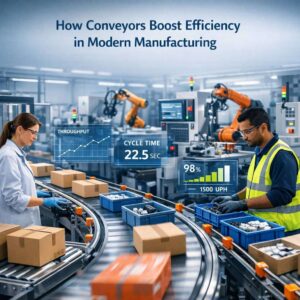
Modern conveyor systems are designed to optimise the movement of goods, significantly reducing transit times and manual handling. Automated and robotised conveyors maximise throughput, allowing operations to run at higher speeds with less human intervention. This efficiency not only accelerates production cycles but also decreases labour costs, enabling more flexible resource allocation. For instance, integrating belt conveyors with sensors can ensure continuous operation by self-correcting issues, reducing downtime and keeping production line momentum uninterrupted.
2. Improved Safety Standards
Safety is a critical aspect of any manufacturing or logistics environment. Traditional transportation methods often involve manual handling, which increases the risk of accidents and injuries. Modern conveyor solutions feature safety-enhancing design elements such as emergency stop buttons, safety enclosures, and warning sensors. These systems also reduce the need for workers to physically handle heavy or bulky items, minimising the risk of musculoskeletal injuries. Furthermore, automation and monitoring capabilities allow for real-time detection of potential hazards, ensuring safer working conditions.
Conveyor systems are essential for efficient manufacturing and logistics operations, streamlining the movement of goods and materials. Selecting the right conveyor can improve productivity and reduce labor costs. The https://www.flexlink.com/en/solutions/product/x85-compact-spiral-conveyor offers a compact and reliable solution, ideal for tight spaces and complex layouts. This conveyor is perfect for businesses seeking seamless integration and enhanced operational flow.
3. Flexibility and Scalability
Contemporary conveyor systems are highly adaptable to varying operational requirements. Modular designs allow for easy installation, reconfiguration, and expansion as your business grows or evolves. For example, you can incorporate different types of conveyors—such as roller, belt, or overhead systems—to suit specific product shapes and weights. This flexibility helps minimise infrastructure investment costs and future-proofs your facility against changing demands, allowing for quick modifications without major overhauls.
Looking for reliable conveyor solutions? Visit https://conveyorrollers.co.uk for high-quality conveyors designed to improve your operations. Our durable systems streamline material handling, increase efficiency, and reduce downtime. Trust our expertise for tailored conveyor equipment that meets your specific needs. Enhance your workflow today!
4. Space Optimisation
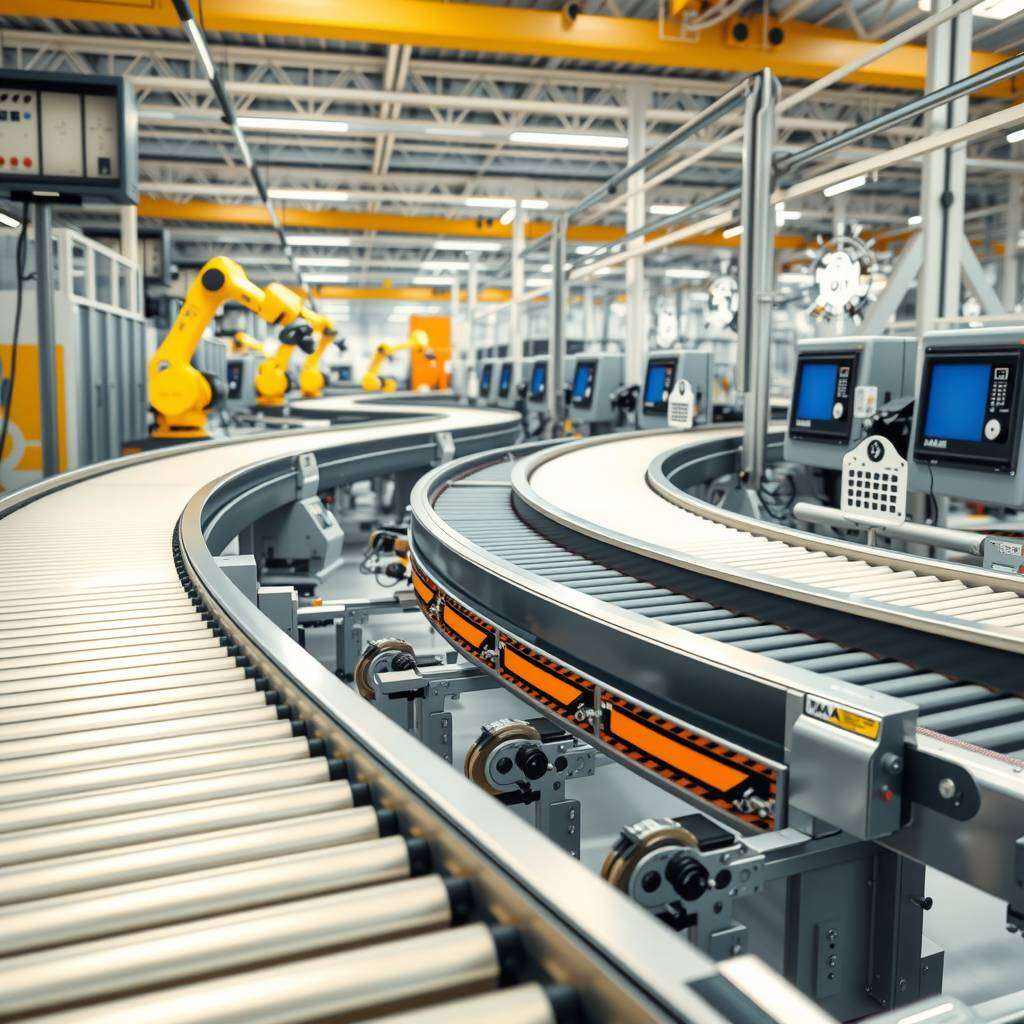
Maximising available space is often a challenge in busy industrial environments. Modern conveyor solutions can help streamline layout design through vertical stacking, multispeed tracks, and compact configurations. Overhead conveyor systems utilise overhead space, freeing up floor area for other critical activities. Additionally, integrated conveyor solutions can be customised to fit irregularly shaped facilities, enabling more efficient utilisation of limited space and minimising clutter.
5. Increased Accuracy and Traceability
Modern conveyor systems that incorporate automation, RFID tagging, and sensor technology facilitate enhanced accuracy in product handling. These features allow for precise sorting, weighing, and tracking of items throughout the supply chain. Such level of control reduces errors, product misplacement, and spoilage, ensuring high-quality output. Traceability information can be captured in real-time, providing valuable data for quality assurance, inventory management, and regulatory compliance.
A conveyor system is essential for efficient material handling in modern manufacturing and logistics environments. It automates the movement of goods, reduces labor costs, and improves productivity. Choosing the right conveyor depends on factors like load capacity, speed, and durability. For high-quality conveyor solutions, visit https://robotunits.com/en-us/product-category/conveyor-technology/. Their innovative conveyor technology offers customizable options to meet various industry needs, ensuring smooth and reliable operation.
6. Cost Savings Over Time
While the initial investment in modern conveyor systems might seem substantial, the long-term cost benefits are compelling. Automation reduces labour costs and minimises product damage caused by manual handling. Increased throughput and efficiency mean faster order fulfilment and increased revenue potential. Additionally, modern systems require less maintenance and are more durable due to advanced materials and engineering, lowering ongoing operational expenses. Over time, these savings justify the upfront expenditure, making modern conveyor solutions a smart financial decision.
7. Better Integration with Automation and Industry 4.0 Technologies
Contemporary conveyor systems are designed to seamlessly integrate with broader automation solutions and Industry 4.0 frameworks. IoT-enabled conveyors can communicate with other machinery, central control systems, and data analytics platforms. This connectivity enables real-time monitoring, predictive maintenance, and optimisation of workflows. The integration of automation tools enhances overall productivity while reducing unexpected downtimes, ensuring business continuity and responsive production management.
8. Environmentally Friendly Operations
Modern conveyor systems often incorporate energy-efficient motors, low-friction components, and waste reduction features. These systems are designed to minimise energy consumption, supporting sustainability goals. Furthermore, the reduction in manual handling reduces material waste and damage, contributing to eco-friendly practices. Companies investing in environmentally compliant conveyor options can also benefit from regulatory incentives and improve their Corporate Social Responsibility (CSR) profiles.
9. Enhanced Customer Satisfaction
Efficient logistics and manufacturing directly impact customer experience. Modern conveyor solutions enable faster order processing, accurate delivery, and the capacity to handle increased volumes, leading to improved service levels. By reducing delays and errors, businesses can strengthen customer loyalty and gain a competitive advantage. The increased reliability provided by state-of-the-art conveyor systems also facilitates just-in-time deliveries, ensuring customers receive products promptly.
Looking for a reliable conveyor to optimize your food service? Discover the https://www.waring.com/conveyor-toaster/CTS1000.html for efficient baking and toasting. This conveyor ensures quick, consistent results, perfect for busy kitchens. Enhance productivity with this durable, easy-to-use conveyor, ideal for any commercial setting.
10. Future-Proofing Your Business
Investing in current-generation conveyor technology positions your company for future advancements. As technology continues to evolve, many conveyor systems can be upgraded with minimal disruption, incorporating features like AI-driven optimisation and autonomous operation. This proactive approach ensures your operations remain cutting-edge, adaptable to new market demands, and compliant with evolving industry standards. Future-proofing your infrastructure safeguards your investment and supports ongoing growth.
Incorporating modern conveyor solutions offers myriad benefits, from operational efficiencies and safety enhancements to cost savings and future readiness. As industries move towards greater automation and smarter manufacturing environments, the strategic investment in advanced conveyor systems will be instrumental in maintaining competitive edge and achieving sustainable growth.