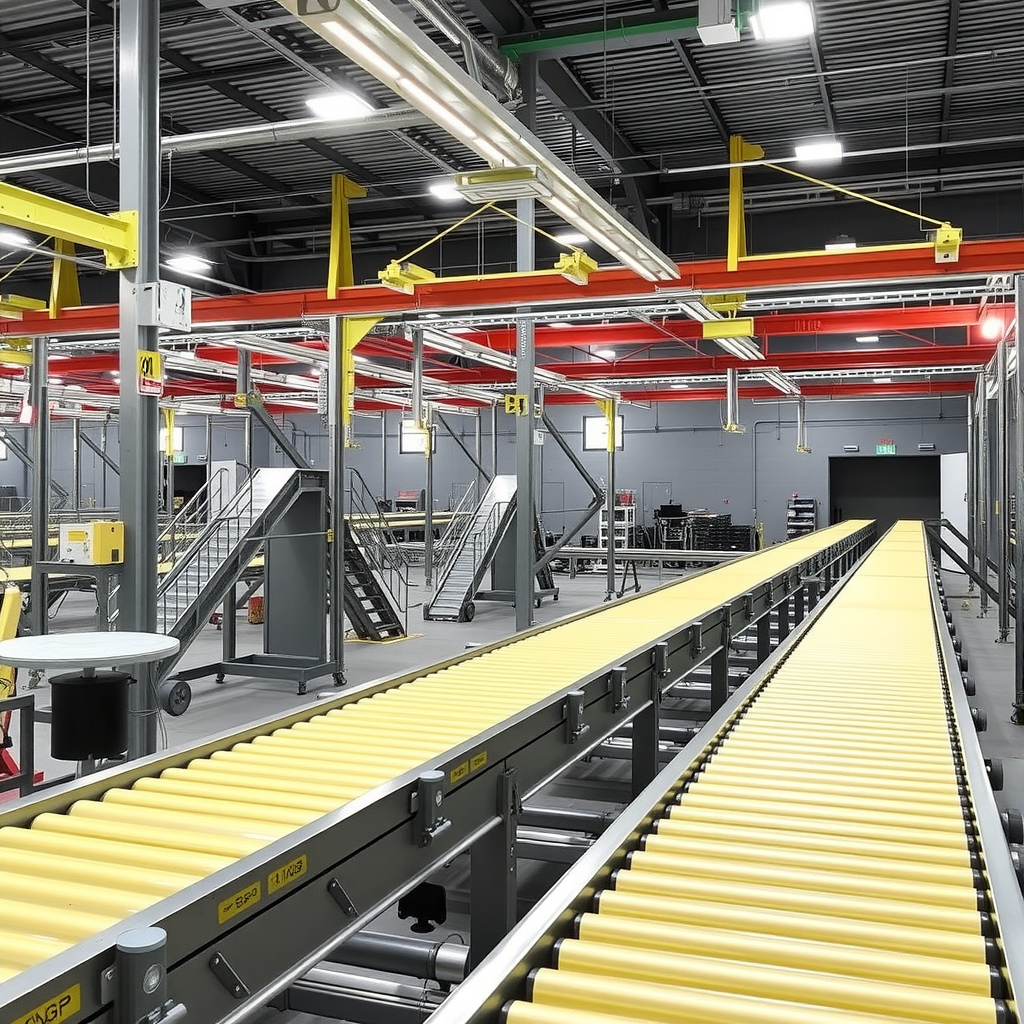
Choosing the correct conveyor roller is a critical factor in enhancing the efficiency and reliability of your material handling system. Conveyor rollers serve as the backbone of conveyor systems, providing support for the belt and facilitating the smooth movement of materials. The selection of the right type of roller can significantly impact your operations, influencing everything from maintenance costs to the effectiveness of product handling. In this guide, we will delve into the various types of conveyor rollers available in the UK market and the key considerations for selecting the most suitable options for your business.
Understanding Conveyor Roller Types
When it comes to conveyor rollers, there are several distinctions. The type of roller you choose will depend on your specific application, the materials being transported, and the environment in which the conveyor system operates.
Driven Rollers
Driven rollers, also known as powered rollers, are essential for systems where products need to be moved with a constant force. These rollers typically have an electric motor integrated, allowing for precise control over the speed and direction of the conveyor system. Ideal for use in applications like packaging, assembly lines, and order picking systems, driven rollers facilitate the efficient movement of heavy loads while reducing the strain on the conveyor belt.
Sprocket Rollers
Sprocket rollers are a type of driven roller that utilise sprockets to interact with a chain drive system. These rollers are particularly effective in applications where high torque is required to move heavy loads, such as in warehouse or distribution environments. When selecting sprocket rollers, consider the size and pitch of the sprocket, as well as the specific load requirements of your operation.
Materials Matter: Plastic vs. Steel
When choosing conveyor rollers, the material from which they are fabricated plays a critical role in their performance, durability, and suitability for various applications.
Plastic Conveyor Rollers
Plastic conveyor rollers are increasingly popular due to their lightweight nature, corrosion resistance, and reduced noise levels during operation. They are well-suited for industries such as food processing and pharmaceuticals, where hygiene and cleaning are paramount. Plastic rollers are also ideal for transporting lightweight products, and they excel in the reduction of friction, contributing to the longevity of your conveyor belt.
Steel Rollers
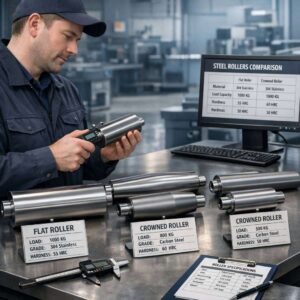
Steel rollers, often made from carbon steel or stainless steel, offer robustness and durability, making them suitable for heavy-duty applications. They can withstand harsher environments, including those that involve extreme temperatures or exposure to chemicals. When opting for steel rollers, consider the need for protective coatings to prevent rust and wear over time, especially in outdoor or wet environments.
Conveyor rollers are essential components in material handling systems, enhancing efficiency and productivity. For high-quality options tailored to your needs, visit https://conveyorrollers.co.uk. Discover a variety of durable and reliable conveyor roller solutions today.
Roller Diameter and Length
The diameter and length of conveyor rollers are crucial in determining their load-bearing capacity and operational efficiency.
FAQ on Conveyor Rollers
What is a conveyor roller?
A conveyor roller is a cylindrical component used in material handling systems to support and transport goods along a conveyor belt. They are essential for facilitating the movement of items in various industries, including manufacturing, warehousing, and logistics.
How does a conveyor roller work?
Conveyor rollers work by allowing products to roll smoothly along their surface. As items are placed on the belt or directly onto the rollers, gravity and motion help to move them from one point to another efficiently. The design and placement of these rollers minimise friction and ensure an even flow of materials.
What types of conveyor rollers are there?
There are several types of conveyor rollers, including:
- Idler Rollers: These support the weight of materials without driving them.
- Drive Rollers: These have motors attached that power the movement of materials.
- Return Rollers: These guide the belt back to its starting position after carrying materials.
- Specialty Rollers: Designed for specific applications such as heavy-duty loads or high-speed operations.
How do I choose the right conveyor roller for my application?
When selecting a conveyor roller, consider factors such as:
- Load Capacity: Ensure that the roller can handle your expected product weight.
- Material Type: Choose between steel, plastic, or rubber based on environmental conditions and conveying needs.
- Diameter: Select an appropriate diameter based on space constraints and load requirements.
- Application Type: Determine if you need standard rollers or specialty designs for specific tasks.
How often should I inspect my conveyor rollers?
Regular inspections (at least quarterly) are recommended for maintaining efficient operation. Pay close attention to wear signs such as uneven surfaces or misalignment issues that may indicate necessary maintenance or replacement.
Can I replace individual conveyor rollers instead of entire systems?
Yes! Individual replacement is often possible without needing to replace your entire system. Assess which specific rolls show wear or damage before replacing only those affected components.
Where can I buy high-quality conveyor rollers?
High-quality conveyor rollers can be purchased from industrial suppliers, specialised material handling equipment companies, or online marketplaces dedicated to manufacturing machinery parts and accessories.
Are there custom options available for special applications?
Yes! Many manufacturers offer custom solutions tailored specifically for unique requirements related to size, load capacity, material type (like stainless steel), surface treatment (such as coating), and other specifications required by particular industries.
For further questions about our products related to "conveyor rolling," feel free to contact us directly!
Roller Diameter
Larger diameter rollers are generally more durable and better suited for heavy loads, while smaller rollers can handle lighter products but may wear out more quickly under strain. When selecting the diameter, ensure it aligns with the specific load requirements of your conveyor system.
Roller Length
The length of your rollers should correlate with the width of the conveyor belt and the materials it will be handling. Ensure that the rollers extend sufficiently beyond the edges of the belt to allow for proper tracking and support, thereby reducing wear on the edges of the belt.
The Importance of Roller Design: Grooved vs. Standard
Another key consideration when choosing conveyor rollers is the design of the roller itself.
Conveyor rollers play a crucial role in material handling systems, facilitating the smooth movement of goods across various industries. These durable and reliable components enhance efficiency, reduce manual labor, and improve workplace safety. With a wide range of sizes and specifications available, businesses can find the perfect conveyor roller to suit their specific needs. For more information on high-quality conveyor rollers and to explore options for your operation, visit https://exoticautomation.com/conveyor-rollers/.
Grooved Rollers
Grooved rollers feature a series of grooves that create friction, helping to keep the conveyor belt in place. This design is particularly effective in preventing belt slippage and maintaining alignment, especially in inclined or declined conveyor systems. If your operation involves steep gradients or heavy loads, investing in grooved rollers can enhance the performance of your system and reduce the risk of product spillage.
Standard Rollers
Standard rollers are smooth and provide low friction, making them ideal for applications where minimal resistance is required. These are typically used in horizontal conveyor systems and are especially suitable for transporting packages that need to be moved quickly and efficiently without the risk of damage.
Maintenance and Longevity
Regular maintenance of conveyor rollers is crucial for the longevity and efficiency of your conveyor system. Routine checks for wear and tear, cleaning, and lubrication can significantly reduce downtime and extend the lifespan of the rollers.
Select rollers that are designed for easy maintenance, with features that allow for straightforward cleaning and inspection. The right choice will not only improve operational performance but also decrease long-term costs associated with roller replacement.
Conclusion
Selecting the right conveyor roller for your business is not merely a question of preference but an essential strategy for optimal efficiency and cost-effectiveness. By considering the types of rollers, materials, designs, and maintenance needs, you can tailor your conveyor system to suit the unique demands of your operation, ensuring that your material handling processes remain smooth and efficient.