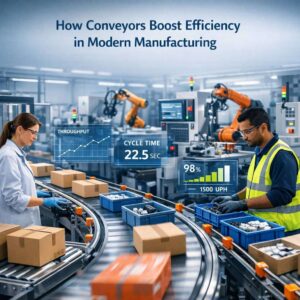
In the fast-paced world of manufacturing and logistics, efficiency is key. Conveyor systems play an integral role in this domain, moving goods swiftly and reliably from one point to another. As industries evolve and technology advances, so do conveyor systems, continuously adapting to meet the demands of modern infrastructure. In this post, we will explore some of the latest innovations in conveyor technology that are revolutionising the way goods are transported across various sectors.
Automation Takes the Lead
The rise of automation has significantly impacted conveyor systems. Today’s conveyor technology integrates seamlessly with advanced robotics and smart systems, optimising workflow and minimising human error. Automated guided vehicles (AGVs) can now work alongside traditional conveyors, allowing for more flexible transportation solutions within warehouses and production lines. This synergy between conveyors and robotics not only enhances speed but also maximises space efficiency.
One fascinating development is the use of autonomous conveyors. These conveyors can make real-time decisions based on their environment, adjusting their path and speed accordingly. By incorporating sensors and AI technology, they can avoid obstacles and adapt to changes in the workflow. This innovation alleviates the need for constant manual intervention, making operations smoother and more efficient.
Modular Conveyor Systems
Gone are the days when conveyor systems were rigid and inflexible. The latest innovations have ushered in modular conveyor systems that can be customised and scaled according to the specific needs of a business. Modular conveyors consist of standardised parts that can be easily assembled and reconfigured, allowing businesses to adapt their conveyor layout without significant downtime or expense.
This flexibility not only streamlines the design process but also enhances maintenance. Should a component fail, it can be replaced without having to overhaul the entire system. Additionally, modular conveyors can accommodate various product sizes and weights, which is particularly beneficial in industries experiencing rapid changes in inventory or production requirements.
Energy Efficiency on the Rise
With an increasing focus on sustainability, the latest conveyor technology is prioritising energy efficiency. Modern conveyor systems are designed with low-energy components and intelligent control systems that reduce power consumption without sacrificing performance. For instance, conveyor motors now often come equipped with variable frequency drives (VFDs), which optimise energy use based on the load carried by the conveyor.
Furthermore, innovations in conveyor belt materials and designs are also contributing to energy savings. Advanced materials are being developed that reduce friction, allowing for smoother operation. This translates to less energy used per movement, providing significant cost savings over time. Industries are not only benefiting from reduced operational costs but are also contributing positively to their environmental impact.
Virtual Reality for Design and Maintenance
Virtual reality (VR) is making waves in the design and maintenance of conveyor systems. By using VR simulations, engineers and operators can visualise the entire conveyor layout in a virtual environment. This technology allows for in-depth planning, testing different configurations, and identifying potential issues before physical installation.
Training personnel is another area where VR shines. Operators can undergo immersive training on how to operate and maintain conveyor systems safely and efficiently. This hands-on training experience ensures that workers are well-prepared, ultimately leading to a safer and more productive work environment.
Conveyor systems play a crucial role in enhancing operational efficiency in various industries. By utilizing a conveyor, businesses can streamline their material handling processes, minimizing manual labor and reducing the risk of injury. These systems are designed to transport goods quickly and safely, allowing for greater productivity and time management. From manufacturing to warehousing, incorporating conveyors can significantly improve workflow and maximize output, making them an indispensable asset in today’s competitive market.
Smart Conveyor Technologies
The advent of the Internet of Things (IoT) has paved the way for smart conveyor technologies that offer unprecedented levels of monitoring and control. Sensors embedded in conveyor systems can gather real-time data about their performance, detecting issues such as jams or failures before they escalate into major problems.
This data can be sent to centralised control systems for analysis, enabling predictive maintenance. Instead of waiting for a failure to occur, businesses can implement maintenance procedures proactively based on data trends, reducing downtime and enhancing productivity.
Additionally, with the integration of artificial intelligence, smart conveyors can learn from historical data and optimise their operations. They can adjust their speeds and workflows to maximise throughput while minimising energy use, creating an intelligent, self-optimising system that adapts to changing conditions.
Mobile and Flexible Conveyors
As the need for adaptable conveyor solutions grows, mobile and flexible conveyors have emerged as a popular choice. These systems can be easily relocated within a facility or deployed at temporary sites, making them ideal for industries such as construction, agriculture, and events management.
Mobile conveyors are often lightweight and compact, allowing for quick setup and breakdown. Their ability to adapt to varied terrains and conditions means that they can be employed in a multitude of applications, from transporting materials at a construction site to efficiently handling goods at an outdoor event.
Enhanced Safety Features
With the introduction of conveyors comes the need for heightened safety measures. Modern conveyor systems are now equipped with advanced safety features, including emergency stop buttons, safety light curtains, and automated shut-off systems. These innovations not only protect workers from potential hazards but also contribute to the overall reliability of the conveyor system.
In addition to physical safety features, integrated monitoring systems can alert operators to any safety breaches or anomalies. By prioritising worker safety alongside operational efficiency, companies are fostering a more accountable and secure working environment.
In summary, the landscape of conveyor technology is witnessing exciting innovations that blend automation, flexibility, and sustainability. From smarter operational protocols to improved safety measures, these advancements are paving the way for more efficient and effective conveyor systems that cater to the evolving needs of industries worldwide. As we continue to embrace technology, the potential for conveyors in the future seems limitless.