Tennis court maintenance is essential for consistent playability and safety. Regular cleaning, reel-freezing prevention, and timely repairs preserve surface integrity and prolong asset life. Proper equipment selection and routine inspection help detect wear early. By adopting a proactive maintenance routine, clubs and homeowners can enjoy smoother play and fewer downtime disruptions. https://www.tenniscourtsupply.com/maintenance-tennis-court-brush.html
As an expert in outdoor court management, I’m often asked how to keep a tennis court in peak condition year-round. The key is a proactive, balanced approach that adapts to the seasons while protecting the integrity of the surface. Whether you’re maintaining an artificial grass tennis court, a grass court, or a synthetic resin surface, sensible scheduling and regular maintenance will extend life, improve playability, and reduce long-term costs.
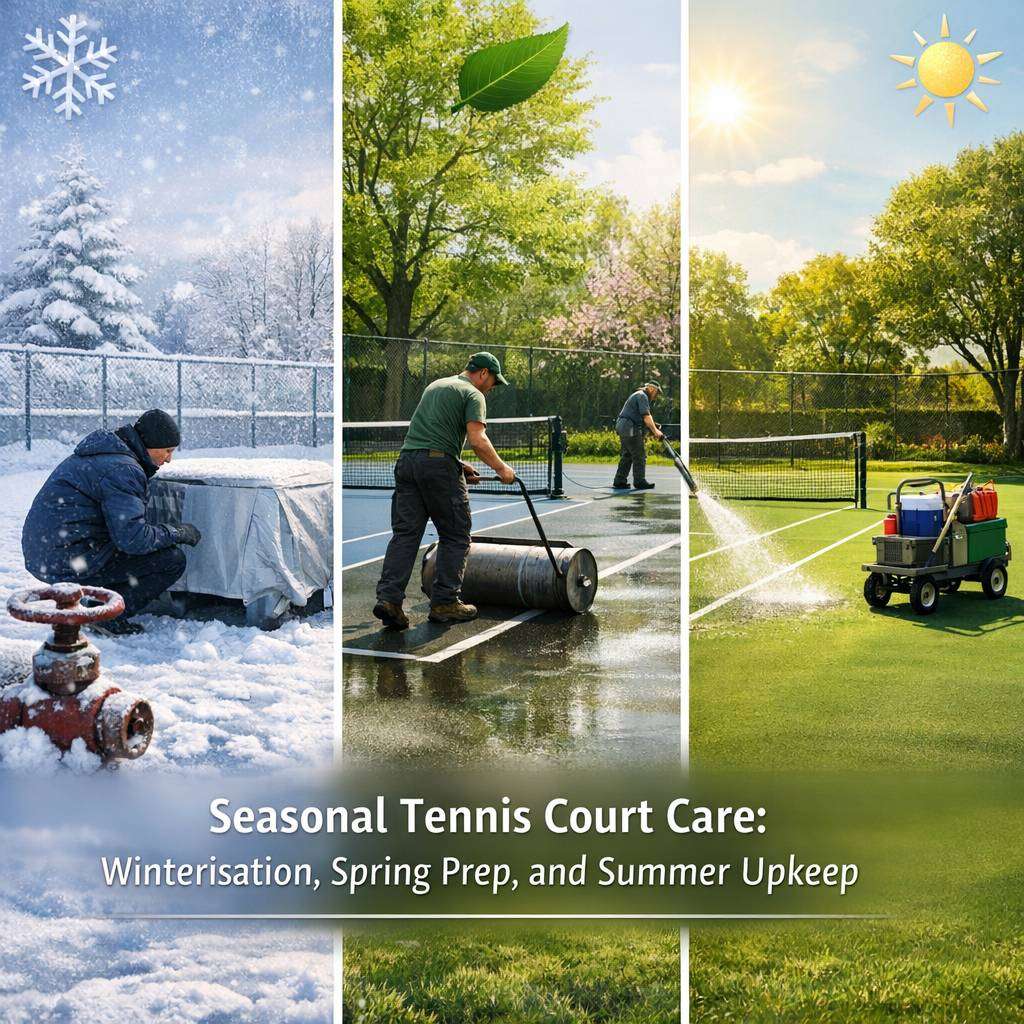
Winterisation: protecting the surface from harsh conditionsWinter can be punishing for outdoor courts, with frost, precipitation, and freeze-thaw cycles posing a real threat to both hard surfaces and artificial grass alternatives. The first priority is moisture management. Ensure proper drainage around the court to prevent pooling, which can lead to slow drying times and moss growth. Clear debris and fallen leaves from the perimeter and storm water channels, as neglect can lead to staining and premature wear.
During frosty spells, avoid playing on wet or icy surfaces, as this increases the risk of structural damage and session injuries. If you have a tennis court installation that features artificial grass, during cold snaps you’ll want to monitor the pile stability. Brush and lightly groom the surface when temperatures rise above freezing to prevent matting and to keep drainage channels clear. For tennis court cleaning in winter, a gentle, periodic sweep is usually sufficient; avoid aggressive pressure washing, which can loosen infill or degrade the backing material.
Protecting the surface from salt and de-icer applications is also essential. If your facility must use winter gritting, coordinate with maintenance staff to ensure residues are washed away at the first safe opportunity. For tennis court resurfacing considerations, winter is a good time to plan, assess drainage improvements, and budget for any necessary repairs in the off-season.
Spring prep: resurfacing assessments and a fresh startAs temperatures rise, the court benefits from a systematic refresh. Begin with a thorough inspection for wear patterns, soft spots, and drainage performance. Any signs of rutting, edge breakdown, or high wear on a grass court at risk of becoming uneven should trigger a closer examination for tennis court repairs, ensuring no hidden defects undermine play.
Tennis court maintenance in spring often includes a comprehensive clean. For artificial grass tennis court surfaces, use a soft-bristle brush to lift compacted fibres and restore a true playing surface. Avoid aggressive scrubbing that could displace or damage infill. If the structure shows infill displacement, plan for tennis court resurfacing or targeted repairs to restore bounce and tension. For natural or artificial grass court maintenance, spring is also an ideal time to address weed growth and moss development that may have started during wetter months.
Line marking and surface tuning are important considerations in spring. Repaint lines where necessary and check transition zones between surfaces if you operate a mixed-court facility. When it comes to tennis court installation and upgrading, spring can be an opportune moment to review surface specifications, drainage upgrades, and the compatibility of any new materials with existing layers.
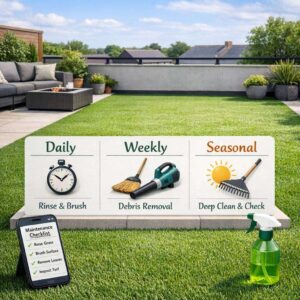
Summer upkeep: sustaining playability and safetySummer heat brings its own set of challenges, from surface drying and cracking on hard courts to fibre wear and coaching marks on artificial grass. Consistent cleaning is essential to maintain presentation and performance. Regular tennis court cleaning should be scheduled to remove dust, pollen, and residues that can affect traction. For artificial grass systems, routine brushing helps keep fibres upright and ensures even infill distribution, contributing to uniform bounce and reduce bare patches.
On grass or synthetic grass courts, monitor for sun damage or heat-related crowding of fibres. If you notice flattening in high-use areas, a light grooming and re-levelling may be required. In high-usage periods, consider temporary reservations to stagger play, giving the surface time to recover between sessions. For tennis court maintenance, this is a good window to perform minor repairs before autumn wear begins. If you detect pitting, loose tiles, or seam separation on hard courts, arrange for timely tennis court repairs to prevent further deterioration.
When considering tennis court resurfacing, summer heat can actually aid curing times for certain materials, but you’ll want to avoid intense heat on resin finishes or freshly laid infill. Plan resurfacing or major repairs during periods of moderate temperatures and dry conditions to reduce the risk of rapid surface drying that could induce cracks or pulling.
A note on artificial grass court upkeep and installation practicesArtificial grass tennis court systems vary, but common principles apply. Regular inspection of the turf backing and seams, gentle cleaning to remove debris, and maintaining even infill are central to long-term performance. If you operate an artificial grass tennis court, inspect the edge transitions and join lines for wear. For resurfacing projects, choose a system compatible with your existing structure to avoid compatibility issues. A well-planned tennis court installation that uses high-quality infill and backing materials can dramatically extend service life and reduce maintenance headaches.
Seasonal practice tips for the discerning facility manager
- Establish a rolling maintenance calendar aligned with seasonal weather patterns. Document results and adjust care protocols as you learn what sustains playability longest.
- Invest in protective covers or shading for tender surfaces during peak heat or cold snaps to reduce thermal and moisture stress.
- Use eco-friendly, court-specific cleaners that protect backing and infill while delivering a clean, professional finish.
- Keep maintenance records for potential clients or club members. Transparent reporting on tennis court cleaning, repairs, resurfacing, and installation strengthens trust and demonstrates value.
By following a thoughtful cycle of winterisation, spring prep, and summer upkeep, your facility will withstand seasonal challenges and maintain peak playability. With careful attention to artificial grass options, grass court practices, drainage, and the consistency of surfaces, you’ll enjoy a reliable, high-quality playing experience year-round. If you’re planning upgrades, consider how tennis court installation choices and resurfacing options align with your surface type, usage levels, and budget to ensure a durable, satisfying result.
Tennis court maintenance is essential for ensuring consistent playability, safety, and longevity of your surface. Regular inspections, proper drainage checks, and timely repairs prevent costly damage and preserve bounce quality. It’s important to select the right maintenance plan for your court type, whether it’s acrylic, clay, or synthetic turf. By scheduling professional assessments, you can extend the life of lines, nets, and boundary fencing. www.artificialgrassmaintenance.co.uk
Maintaining a tennis court is essential for player safety and consistent bounce. Regular cleaning, net tension checks, and surface repairs extend the court’s life and performance. For expert guidance and professional services, visit https://www.superiorwash.net/tennis-court-cleaning/ to learn about tailored maintenance plans and scheduling. Proper drainage, crack sealing, and line repainting keep play fair and enjoyable. By committing to routine tennis court maintenance, clubs and courts preserve value and reduce long-term restoration costs.
Tennis court maintenance is essential for consistent play and longevity, especially for outdoor surfaces exposed to weather. Regular cleaning, surface inspections, and proper drainage prevent cracks and mold growth. Professionals recommend seasonal sealant reapplications and chores like sweeping debris and testing net tension. For detailed, practical guidance, consult resources on tennis court maintenance and follow expert steps. https://mcconnellassociates.org/a-complete-guide-to-tennis-court-maintenance/