Conveyor systems have long been the backbone of material handling across various industries, from manufacturing to logistics. As we progress through 2023, substantial advancements in conveyor technology are emerging, driving efficiency, safety, and sustainability. This post will delve into the latest innovations in conveyor systems that are reshaping how goods are transported.
Smart Conveyors: The Rise of Industry 4.0
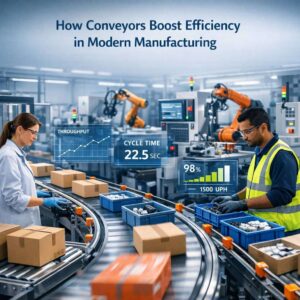
One of the most significant trends we are witnessing in 2023 is the integration of smart technology into conveyor systems. This evolution is part of the broader Industry 4.0 movement that emphasises automation, data exchange, and IoT (Internet of Things) capabilities. Smart conveyors are equipped with sensors and software that provide real-time monitoring and data analytics.
These systems can track the movement and condition of materials, predict maintenance needs, and optimise workflow. For instance, by using AI algorithms, these conveyors can analyse operational data to identify bottlenecks in production lines and suggest improvements. This level of automation not only enhances operational efficiency but also empowers managers with insights that drive strategic decision-making.
Energy Efficiency Through Advanced Materials
In 2023, sustainability is at the forefront of technological development, and conveyor systems are no exception. Innovative materials are being employed to enhance energy efficiency, reduce wear, and extend the life of conveyor systems. For instance, the introduction of lightweight, yet durable materials such as advanced polymer composites and synthetic belts is revolutionising the design of conveyors.
These materials not only decrease the overall energy consumption by reducing the load on motors but also exhibit superior resistance to wear and tear. As manufacturers seek to reduce their carbon footprints, energy-efficient conveyor systems are being highlighted as a critical measure towards achieving sustainability goals.
Increased Safety Features
With the growing focus on workplace safety, manufacturers are equipping conveyor systems with advanced safety features in 2023. These innovations aim to minimise accidents and protect workers while enhancing operational efficiency. Key safety enhancements include:
- Emergency stop functions: New systems are now incorporating more accessible emergency stop mechanisms that can be triggered quickly in urgent situations.
- Proximity sensors: These sensors allow conveyor systems to detect human presence near the equipment, automatically slowing down or stopping the conveyor to prevent injuries.
- Modular safety barriers: Easy-to-install safety barriers are being used in conjunction with conveyors, providing physical protection to workers while maintaining the flexibility of the system.
As safety regulations tighten, these innovations prove indispensable in ensuring compliance and promoting best practices in material handling.
Conveyors are essential systems in various industries, streamlining the movement of goods and materials. They enhance efficiency by reducing manual labor and minimizing transportation time. Whether for packaging, assembly, or sorting, conveyors play a crucial role in operational success. To explore a range of conveyor solutions and accessories, visit https://conveyorrollers.co.uk for more information.
Automated Sorting Systems
Innovations in conveyor technology also extend to automated sorting systems, a critical component of logistics and distribution centres. The demand for speed and accuracy in order fulfilment has prompted the development of sophisticated sorting solutions that seamlessly integrate with conveyor systems.
In 2023, cutting-edge technologies such as machine learning and computer vision are being employed to create smarter sorting systems that can identify and separate products with remarkable precision. These systems can adapt to varying product sizes and shapes on the fly, significantly reducing the time taken for sorting processes.
Furthermore, these automated sorting systems can be integrated with other technologies, such as warehouse management systems (WMS), to ensure that inventory is managed efficiently. By eliminating human error and enhancing sorting accuracy, companies can improve their overall productivity and customer satisfaction.
Modular Conveyor Designs
Flexibility and adaptability are becoming increasingly important in manufacturing and distribution environments. As a response to this demand, modular conveyor designs are gaining traction in 2023. These systems can be easily configured, expanded, or reconfigured to accommodate changing product lines or production requirements.
Modular conveyors are designed with interchangeable parts, allowing for quick alterations without the need for significant downtime or investment in new equipment. Additionally, this design approach facilitates easier maintenance, as individual modules can be serviced or replaced without disrupting the entire conveyor system. This flexibility is particularly beneficial for companies that experience fluctuating production volumes or need to quickly adapt to new product demands.
Conveyors are essential systems in modern manufacturing and logistics, streamlining the transportation of goods. Efficient and versatile, they are designed to handle various materials, improving productivity and reducing labor costs. Businesses can customize conveyors to suit their specific needs, ensuring seamless integration into existing operations. From assembly lines to warehouse applications, these systems enhance workflow and optimize space utilization. Investing in reliable conveyor technology can significantly elevate operational efficiency and facilitate growth in any industry.
As we explore the innovations in conveyor technology for 2023, it is evident that the industry is moving towards a more energy-efficient, safe, and intelligent approach to material handling. These advancements not only improve operational efficiencies but also prepare businesses to meet the demands of an ever-evolving marketplace. The synergy between smart technology and sustainability is driving the future of conveyor systems, positioning them as integral to the modern industrial ecosystem.