In today’s fast-paced world, efficient material handling is a must for any business aiming to maintain a competitive edge. As operations scale up and the demands grow, conveyor systems emerge as a vital component in streamlining processes and improving productivity. But with a plethora of options available, how do you choose the right conveyor for your specific needs? Fear not, as we discuss the top conveyor systems and the key factors to consider in your selection process.
Understanding the Different Types of Conveyor Systems
When it comes to conveyor systems, there are several types, each designed for unique applications. Understanding these variations is crucial for making an informed decision.
Belt Conveyors
Belt conveyors are among the most common types, often used for transporting bulk materials across long distances. They consist of a continuous loop of material (the belt) that moves around pulleys. This system is ideal for transporting loose materials, such as grains, sand, and aggregate.
Their versatility extends beyond bulk materials; they can also be used to move packed goods and even heavy machinery. The simplicity of their design and ease of maintenance make belt conveyors a popular choice.
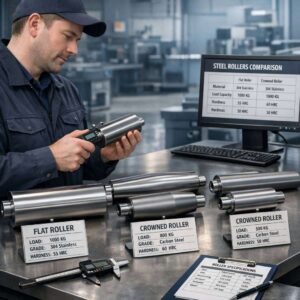
Roller Conveyors
Roller conveyors utilise a series of rollers positioned parallel to one another to transport goods. These systems can be powered or gravity-fed, allowing for a wide variety of applications. Powered roller conveyors are ideal for heavy items, while gravity conveyors are perfect for lighter loads in assembly lines or warehousing.
One of their biggest advantages is the ease with which products can be moved horizontally or at an incline. It’s a fantastic option for industries such as e-commerce, retail, and manufacturing.
Modular Conveyors
If your business demands flexibility and adaptability, modular conveyors might just be the solution. These systems consist of interchangeable parts, allowing you to customise the layout according to your specific needs. Modular conveyors can be easily expanded or reconfigured as your operations change and grow.
However, it’s important to note that they might require a higher initial investment, but their adaptability makes them a long-term solution for many businesses.
Factors to Consider When Choosing Conveyor Systems
Selecting the right conveyor system involves a thorough assessment of your operational needs. Here are some key factors to keep in mind:
Load Capacity
Before narrowing down your options, it’s essential to evaluate the weight and volume of the materials you’ll be transporting. Each conveyor system comes with its specific load capacity; choosing one that can accommodate your heaviest loads will ensure optimal performance and longevity.
Speed and Efficiency
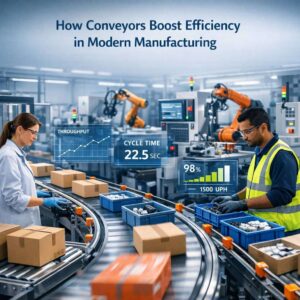
Time is money, and in a business environment, the speed at which products are moved can significantly impact productivity. Consider the necessary speed requirements for your operations, and choose a conveyor that can maintain efficiency without sacrificing quality. Many modern systems offer adjustable speeds, allowing you to tailor operations based on throughput.
Conveyors play a crucial role in modern industrial processes, enhancing efficiency and streamlining operations. These systems are designed to transport materials quickly and reliably across various environments. For more information on different types of conveyors and their applications, visit https://conveyorrollers.co.uk.
Space Constraints
Not all facilities have ample room for large conveyor systems. Before making a purchase, assess your available space and consider how the chosen conveyor will fit within it. There are many compact designs that maximise space efficiency and can navigate tight corners or varying elevations—a crucial factor if you’re working within a smaller footprint.
Integration with Existing Systems
Your new conveyor system should seamlessly integrate with your existing machinery and workflows. Compatibility can save you time and money, so consult with experts or manufacturers to ensure smooth integration. Opt for conveyor systems that come with user-friendly interfaces and can be easily programmed to work alongside your current operations.
Conveyors are essential for streamlining industrial processes, automating material handling, and improving efficiency in production lines. By utilizing different types of conveyors, businesses can minimize manual labor and optimize workflow. For detailed information on selecting the right conveyors for your needs, visit https://www.minitecautomation.com/product/conveyor-configuration. Implementing the right conveyor system can enhance productivity and reduce operational costs significantly.
The Future of Conveyor Systems
As technology advances, conveyor systems are undergoing a transformation. Automation and robotics are becoming increasingly prevalent, allowing businesses to enhance efficiency and streamline processes further. Conveyor systems equipped with sensors and AI can monitor performance in real-time, providing invaluable data for making informed operational decisions.
Investing in smart conveyor systems can offer long-term benefits, making your operations more resilient and better equipped to adapt to changing market demands.
Conclusion
Choosing the right conveyor system for your business is more than just a purchase; it’s an investment in efficiency, productivity, and future growth. By understanding the various types, evaluating key factors, and considering future trends, you can select a conveyor that meets your unique requirements. As you embark on this journey, remember that expert advice and consultation can make all the difference in ensuring you find the perfect fit for your operations.
Conveyors are essential in various industries, streamlining the transportation of materials and enhancing productivity. These systems offer efficient movement, reducing manual labor and time. For high-quality conveyor solutions, explore the options available at https://www.sidedriveconveyor.com/, where innovation meets reliability.