Architectural glazing is at the forefront of modern design, providing not only functionality but also a visual elegance that changes the way we perceive spaces. With an array of innovative glazing products available, architects and designers are reshaping the aesthetics of buildings, enhancing energy efficiency, and elevating the overall user experience. This post explores the top five architectural glazing products that are currently making waves in the industry, helping to create spaces that are as beautiful as they are functional.
1. Curved Glass
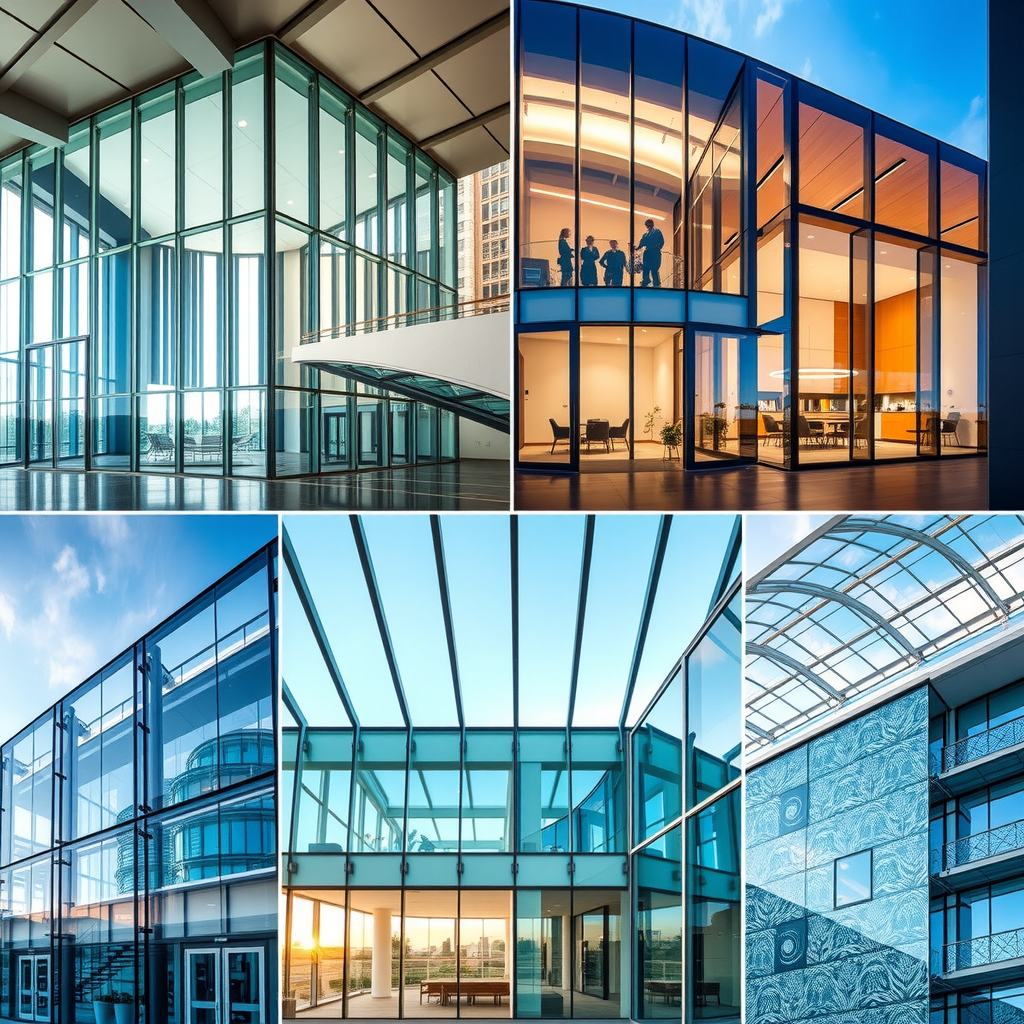
Curved glass has revolutionised the architectural landscape, offering designers the freedom to create flowing, organic shapes that traditional flat glass simply cannot accommodate. Whether used in the facade of a commercial building or as a stunning feature in residential interiors, this architectural glazing product adds a unique dimension to any design.
The fabrication process for curved glass has become more refined over the years, allowing for greater precision and a broader range of applications. From gently curved windows to sweeping glass walls, this type of glazing invites natural light while offering a visually striking alternative to conventional flat surfaces. Companies specialising in architectural glazing have made significant advancements in the bending and tempering processes, enabling the construction of even larger pieces without compromising structural integrity.
2. Self-Cleaning Glass
As sustainability becomes an essential factor in modern design, self-cleaning glass is gaining popularity among architects and homeowners alike. This innovative product utilises a special coating that reacts with sunlight to break down dirt and grime, allowing rainwater to wash it away effortlessly. The result is a maintenance-free glazing solution that enhances the longevity and appearance of any building.
Architectural glazing companies are increasingly promoting self-cleaning glass as an ideal choice for high-rise buildings, where manual cleaning can be a daunting and costly task. Installing self-cleaning glass not only reduces maintenance costs but also contributes to a more sustainable environment by decreasing the need for chemical cleaning agents. Its practicality, combined with aesthetic appeal, makes self-cleaning glass an exciting option for new builds and renovations alike.
3. Triple Glazing
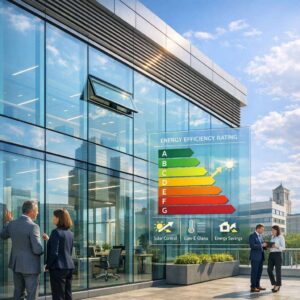
In the quest for energy efficiency, triple glazing has emerged as a top choice among architects and builders. Comprising three panes of glass separated by two layers of argon gas, this architectural glazing product offers enhanced thermal insulation and soundproofing capabilities compared to traditional double glazing. In an era of growing environmental awareness, the benefits of triple glazing extend beyond energy savings; they also support reduced carbon footprints.
Architectural glazing companies have responded to the increasing demand for triple glazing by developing frames that not only complement this type of glass but also adhere to modern aesthetic trends. With sleek frames and minimal sightlines, triple glazing offers both performance and visual appeal, making it a seamless addition to contemporary architectural design. Whether used in residential or commercial projects, triple glazing is an excellent investment for those looking to maximise energy efficiency without compromising on style.
Architectural glazing products play a crucial role in modern building designs, enhancing aesthetics and energy efficiency. From stunning facades to innovative window solutions, these materials contribute to sustainability. Explore various options to elevate your projects with architectural glazing products.
4. Electrochromic Glass
Imagine a window that can change its tint with just the touch of a button. Electrochromic glass, or smart glass, has made this futuristic concept a reality. This innovative architectural glazing product utilises an electrochemical process to alter its transparency, adapting to changing light conditions and offering privacy on demand.
The versatility of electrochromic glass is transforming modern design in myriad ways. In commercial buildings, it allows for dynamic control of heat and light, reducing reliance on artificial lighting and HVAC systems. In residential settings, it provides homeowners with a practical solution for managing natural light while maintaining an open and airy atmosphere.
As the technology continues to evolve, architects and designers are finding exciting new ways to incorporate electrochromic glass into their projects, resulting in structures that are not only visually stunning but also highly functional. This type of glazing exemplifies the synergy between technology and design, paving the way for innovative buildings that are equipped for the future.
5. Laminated Glass
Laminated glass is synonymous with safety and durability, making it a favoured choice in modern architectural design. This product consists of two or more layers of glass bonded together with an interlayer, offering increased strength and shatter resistance. Beyond its functional benefits, laminated glass can be aesthetically pleasing as well, available in a variety of colours and patterns that can enhance architectural design.
Architectural glazing companies often recommend laminated glass in scenarios that require added security, such as schools, commercial buildings, and homes in areas prone to extreme weather. Furthermore, its acoustic properties make it an excellent choice for urban environments, where noise pollution can be a significant concern. By balancing safety and aesthetics, laminated glass plays a crucial role in shaping the future of modern architecture.
As we continue to embrace innovative materials and technologies, architectural glazing products remain pivotal in defining the spaces we inhabit. Whether it’s the curved elegance of glass or the smart technology of electrochromic options, these products are shaping a new era in modern design, encouraging creativity and sustainability in architectural practices.