Architectural glazing lies at the heart of modern commercial design, harmonising aesthetic appeal with functional performance. As building regulations tighten and tenants demand lower operating costs, glazing technologies have evolved to deliver substantial energy savings without compromising light, comfort, or visual connection with the exterior. This article, written from the perspective of an expert in the field, explores how architectural glazing products are advancing energy efficiency across commercial projects and what clients should consider when selecting an architectural glazing company.
The drive for energy efficiency in commercial buildings
In recent years, energy performance has moved from a niche consideration to a central design objective for commercial developments. Globally, glazing represents a significant portion of heat gain and loss in buildings. The right glazing solution can reduce heating demand in winter, limit cooling loads in summer, and moderate solar gains year-round. Moreover, daylighting enabled by high-quality glazing improves occupant well-being and productivity, while advanced coatings and frames contribute to reduced artificial lighting requirements. The result is a triple win: enhanced energy efficiency, better indoor environmental quality, and a compelling client proposition.
Architectural glazing products play a pivotal role in shaping sustainable, daylight-filled spaces that enhance comfort and energy efficiency. Modern solutions combine aesthetics with performance, offering thermal breaks, UV control, and weather resistance for both commercial and residential projects. For more insights and product options, explore this resource: architectural glazing products. Your design goals deserve glazing that performs beautifully while supporting long-term value.
Advances in glazing technologies
Architectural glazing products have progressed through several converging technologies:
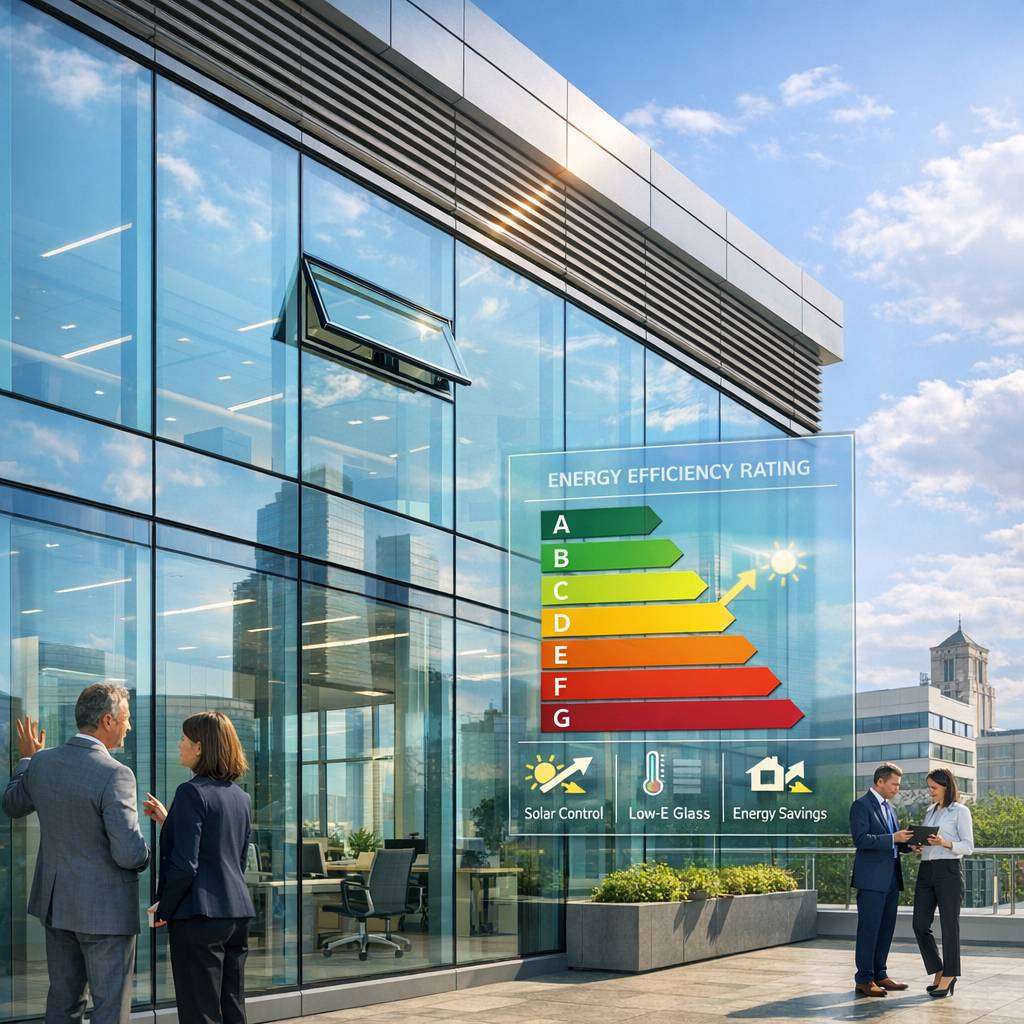
- Low-emissivity (low-E) coatings: Modern low-E coatings minimise heat transfer by reflecting infrared radiation while preserving visible light. Spectrally selective coatings can be tuned for specific climate zones, optimising performance.
- High-performance insulating glass units (IGUs): Multi-pane assemblies with inert gas fills and improved sealants yield superior U-values. Vacuum-insulated panels and aerogel infill are pushing U-values even lower for extremely demanding façades.
- Dynamic glazing: Smart or switchable glazing adjusts its transmittance in response to daylight or temperature, reducing solar gains during peak sun and enabling ample daylight when needed.
- Solar control features: Solar shading integrated into glazing systems—such as fritted glass, laminated interlayers, or external louvers—mitigates glare and reduces cooling loads without sacrificing daylight.
- Frame and edge-of-glass efficiency: The thermal performance of the frame affects overall system U-value. Thermally broken profiles, insulating spacers, and advanced gaskets minimise heat transfer at the periphery.
- Acoustic performance with energy efficiency: Modern glazing products blend acoustic insulation with thermal performance, important for urban sites where noise mitigation is required alongside energy targets.
How glazing products contribute to building performance
- Thermal performance: By reducing heat transfer, high-performance glazing lowers the size and cost of mechanical plant. In climate zones with wide temperature swings, the reduction in peak cooling and heating loads can be substantial.
- Daylight autonomy: Through carefully selected glazing properties, buildings achieve healthier daylight distribution, enabling occupants to rely less on artificial lighting during daytime and lowering energy consumption.
- Solar control without compromise: Dynamic or well-tuned fixed glazing blocks excessive solar gain during hot periods while maintaining outward visibility, balancing comfort and energy use.
- Building envelope reliability: Modern glazing systems are designed to resist dynamic wind loads, moisture ingress, and long-term degradation, ensuring energy performance remains consistent over the life cycle of the building.
- Lifecycle considerations: Recyclable materials, modular components, and the potential for future retrofit of glazing assemblies support lower life-cycle emissions and adaptable performance.
Selecting the right architectural glazing products
When choosing glazing for energy efficiency, several criteria should guide decision-making:
- Climate and orientation: The local climate dictates the optimal U-value, solar heat gain coefficient (SHGC), and visible transmittance targets. South-facing façades may benefit from a lower SHGC, while north-facing elevations might prioritise daylight without excessive heat loss.
- Building use and occupancy: Programs that require high daylight levels but minimal glare need carefully specified glazing with appropriate coatings and frit patterns.
- Thermal performance targets: Establish clear U-value goals for the periphery and for sensitive zones such as curtain walls or large skylights. Ensure compatibility with the overall building energy model.
- Daylight and glare management: The glazing system should harmonise with interior layouts, shading devices, and lighting controls to maximise energy savings without compromising visual comfort.
- Durability and maintenance: Consider long-term performance, including seal longevity, coating durability, and ease of maintenance to preserve energy performance over time.
- Certification and standards: Compliance with standards such as BREEAM, LEED, or national energy performance certificates can influence product selection, particularly where energy modelling and post-construction verification are required.
The role of the architectural glazing company in project delivery
A proficient architectural glazing company adds value beyond supplying glass and frames. Key capabilities include:
- Building physics expertise: Experienced glazing specialists can input into energy models, helping to quantify potential savings from different glazing strategies and inform early design decisions.
- Integrated design approach: Collaboration with architects, engineers, and façade consultants ensures glazing solutions are harmonised with structure, daylighting, shading, and HVAC systems.
- Customisation and precision: Modern projects often demand bespoke configurations—titanium-coated frames, acoustic-certified laminated glass, or ultra-slim profiles. A capable glazing partner can deliver with tight tolerances and reliable supply.
- Quality assurance and testing: Commissioning tests, wind load verification, and thermal performance measurements ensure the installed system performs as designed.
- Aftercare and retrofit readiness: Long-term service, performance monitoring, and ease of retrofit for future energy code updates help protect the owner’s investment.
Practical considerations for project teams
- Early engagement: Engage the architectural glazing company during concept design to align energy targets with aesthetic goals and budget.
- Parametric modelling: Use performance-based models to explore glazing configurations, zones, and shading strategies before procurement.
- Supply chain resilience: Verify lead times, procurement for large or complex façades, and compatibility with other façade elements.
- Warranty and serviceability: Clarify product warranties, maintenance regimes, and available retrofitting options to sustain energy performance.
Case study considerations
In projects where architectural glazing products have been leveraged to improve energy efficiency, outcomes often include reduced mechanical plant sizing, improved thermal comfort, and enhanced occupant satisfaction. Case studies typically illustrate the value of a holistic approach—integrating glazing performance with shading strategy, daylighting design, and building management systems.
If you would like to explore how an architectural glazing company can tailor energy-efficient glazing solutions for a specific project, I can outline a collaboration framework or provide a shortlist of suitable product families and performance targets based on location, building type, and budget.