Conveyor rollers are a vital component in many industries, enabling efficient movement of goods and materials. The right conveyor roller can markedly enhance your operational efficiency, reduce maintenance costs, and improve the overall performance of your conveying system. This guide will navigate you through the various types of conveyor rollers available, helping you make an informed decision tailored to your business needs.
Understanding Conveyor Rollers
Conveyor rollers are cylindrical components that facilitate the transportation of goods along a conveyor system. They can be made from different materials and designed for specific applications. Selection of the right type of roller depends on numerous factors including load capacity, environment, and the type of goods to be transported.
Types of Conveyor Rollers
Plastic Rollers
Plastic conveyor rollers offer several advantages. They are lightweight, resistant to corrosion, and ideal for moving lighter products. In environments where moisture is prevalent, plastic rollers are a better choice as they will not rust. Their ease of maintenance is another plus, making them suitable for basic conveyor applications. A key advantage is their low noise level compared to metal rollers, making them perfect for facilities where noise reduction is desired.
Sprocket Rollers
Sprocket rollers are essential in applications that require a drive mechanism. They are equipped with sprockets that engage with a chain drive, facilitating the movement of heavier loads. This type of roller is typically used in manufacturing and material handling sectors. For operations that involve automation, sprocket rollers provide precise control and can enhance the speed of operations.
Grooved Rollers
Grooved rollers are designed to transport items with dissimilar shapes and sizes. The grooves assist in the stability of the load by preventing lateral movement. This is particularly useful in scenarios where the goods have a risk of slipping or rolling off. Industries that handle irregularly shaped items, such as packaging or construction materials, often benefit from using grooved rollers.
Gravity Rollers
Gravity rollers operate using the force of gravity, which makes them ideal for slowing down the movement of products without the need for power. They are mainly used in sorting applications, assemblies, and assembly lines. Gravity rollers allow for an easy flow of goods, reducing the likelihood of product damage during transit. With gravity rollers, the installation angle can be adjusted, thus enhancing efficiency during the loading and unloading processes.
Factors to Consider When Choosing Conveyor Rollers
The weight and size of the goods being transported are crucial factors when selecting conveyor rollers. Each roller has a specific load capacity, and exceeding this limit can lead to premature wear or failure. Ensure you assess the maximum load your system will handle and select rollers that can accommodate this weight comfortably.
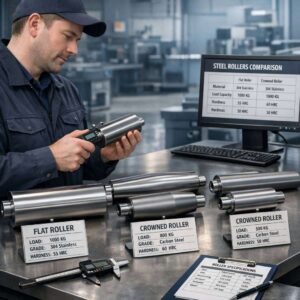
The environment your rollers will operate in is also significant. For example, if your conveyor system will be exposed to moisture, plastic roller options like plastic conveyor rollers may be ideal because they resist corrosion. Conversely, for environments dealing with heavy machinery or sharp objects, consider using steel rollers for enhanced durability.
Depending on your business requirements, the speed at which the rollers operate can heavily influence your productivity. Sprocket rollers and powered solutions often enable faster movement but require more energy and maintenance. If your business needs flexible speeds with slower operations, gravity rollers are suitable.
Some roller types necessitate more upkeep than others. Plastic rollers generally require less maintenance compared to their metal counterparts. Consider how much downtime your business can afford for maintenance and choose accordingly. It’s also beneficial to consult with manufacturers regarding which option will provide the best longevity and reliability.
Energy efficiency plays a crucial role in long-term operational costs. Assess the motor requirements if you are opting for powered rollers compared to gravity rollers that use gravity to function. Choosing a solution that minimises energy consumption while optimising performance will improve overall sustainability.
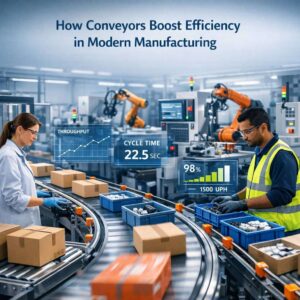
When it comes to enhancing the efficiency of your material handling systems, conveyor rollers play a crucial role. These essential components reduce friction and ensure smooth movement along conveyor belts. Available in various sizes and materials, they can be tailored to meet specific operational needs. Investing in high-quality conveyor rollers not only improves productivity but also extends the life of your equipment, making them vital for any industrial setup.
FAQ: Conveyor Rollers
What are conveyor rollers?
Conveyor rollers are cylindrical components used in conveyor systems to support and move various types of materials. They facilitate smooth movement along the conveyor belt, enhancing efficiency in material handling.
What types of conveyor rollers are available?
There are several types of conveyor rollers, including:
- Idler Rollers: Used to support the belt and load.
- Drive Rollers: Connected to motors and drive the movement of the belt.
- Return Rollers: Support the return section of the belt.
- Impact Rollers: Designed to absorb shock from heavy loads.
How do I choose the right conveyor rollers for my application?
When selecting conveyor rollers, consider factors such as load capacity, roller diameter, material (plastic or steel), environmental conditions, and compatibility with your existing system. It’s important to match roller specifications with your operational needs.
How do I maintain my conveyor rollers?
Regular maintenance includes:
- Inspecting for wear or damage,
- Cleaning dust and debris,
- Ensuring proper alignment,
- Lubricating moving parts if applicable.Following manufacturer guidelines will help prolong their lifespan.
What is the typical lifespan of a conveyor roller?
The lifespan of a conveyor roller can vary significantly based on usage conditions. However, well-maintained quality rollers typically last between 5 to 15 years under standard operating conditions. Regular inspections can help identify when they need replacement.
Can I replace just one roller on my system?
Yes, you can replace individual damaged or worn-out conveyors without needing to replace the entire system. However, it is advisable to inspect adjacent components as wear may be indicative of larger issues within your setup.
Are there custom options available for conveyor rollers?
Many manufacturers offer custom solutions tailored to specific applications. Customisations might include different sizes, materials (such as corrosion-resistant coatings), or specialised designs suited for unique environments or loads.
Where can I purchase high-quality conveyor rollers?
High-quality conveyer rollers can be purchased from industrial suppliers specialising in material handling equipment. Online marketplaces also offer a wide range but ensure you choose reputable sellers that guarantee product quality and performance standards.
Where to Find Quality Conveyor Rollers in the UK
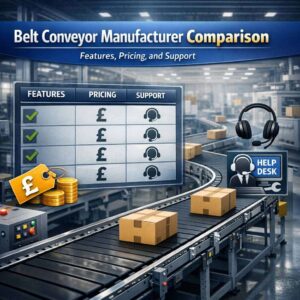
When looking for quality conveyor rollers in the UK, numerous suppliers offer a broad range of options. Whether you’re searching for plastic conveyor rollers, gravity rollers, or grooved rollers, it’s vital to choose a reputable supplier known for their product reliability and customer service. Always consider suppliers who offer warranties, have a transparent return policy, and provide customer support for repairs and parts replacements.
Conclusion
The right type of conveyor roller is essential for the smooth and efficient operation of your conveyor system. By understanding the different types of rollers available, evaluating your operational needs, and selecting an appropriate supplier, you can ensure your business reaps the benefits of enhanced productivity and decreased maintenance costs. Whether you are handling light packages or heavy pallets, selecting the right rollers will significantly contribute to your success.