Conveyors are essential components in modern material handling systems, efficiently transporting goods in various industries, including manufacturing, healthcare, and logistics. Their design variations—such as belt, roller, and chain conveyors—enable customization for specific applications, improving productivity and safety. Investing in high-quality conveyors ensures smooth operations and minimizes downtime. For businesses seeking reliable conveyor systems and accessories, consider exploring options available at https://conveyorrollers.co.uk, where you’ll find a range of products tailored to your needs.
In the bustling world of modern industries, efficiency is key to success. With the increasing demands of production, the challenge of material handling has become a critical component of operational excellence. Enter conveyors – a game-changing solution that has completely revamped the landscape of material handling processes across various sectors. In this article, we will explore how conveyor systems are not only enhancing productivity but also redefining how industries move goods, manage logistics, and ensure quality control.
The Evolution of Conveyors
The concept of using conveyors dates back to the late 18th century, but it wasn’t until the advent of the Industrial Revolution that they began to see widespread use. From simple hand-powered mechanisms to sophisticated automated systems, conveyor technology has come a long way. Today’s conveyors are equipped with advanced features such as sensors, programmable logic controllers (PLCs), and seamless integration into complex manufacturing processes. This evolution has allowed businesses to streamline their operations and improve their overall productivity.
Enhancing Efficiency in Production Lines
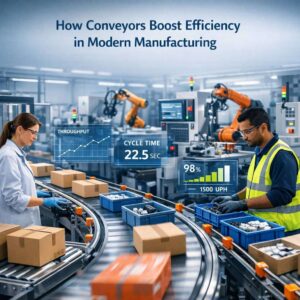
One of the most significant advantages of conveyor systems is their ability to increase efficiency in production lines. By automating the movement of materials and products, companies can significantly reduce the time and labour required to transport goods. Conveyors enable a continuous flow of materials, allowing workers to focus on more value-added tasks rather than manual handling.
In industries such as automotive manufacturing, food processing, and logistics, conveyors can transport products from one station to another without interruption. This not only speeds up production cycles but also minimises the risk of human error, which can occur in manual handling processes. For instance, a conveyor system can seamlessly carry car parts from assembly stations, ensuring that each component is delivered precisely when and where it’s needed.
Flexibility in Design and Application
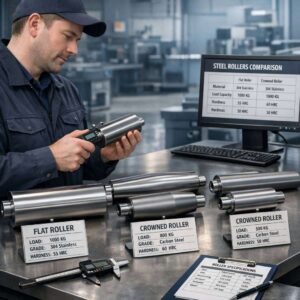
The versatility of conveyors is another reason they are revolutionising material handling. Conveyor systems come in various styles and configurations, each designed to cater to specific operational needs. Whether it’s a belt conveyor for transporting bulk materials or a roller conveyor for packaging lines, there’s a solution to suit every requirement.
Moreover, modern conveyor systems can be customised to fit unique facility layouts. This flexibility allows businesses to optimise their space, minimising bottlenecks and enhancing workflow. For example, inclined and declined conveyors can be employed to move materials between different levels of a facility, making the most of vertical space while maintaining operational efficiency.
Safety in Material Handling
Safety is paramount in any industry, and conveyor systems inherently improve workplace safety. Manual handling of heavy or awkward items poses significant risks, including injuries due to lifting, slips, and trips. By introducing conveyors into the material handling process, companies can reduce the need for employees to transport goods manually, thereby decreasing the likelihood of accidents.
Additionally, modern conveyor systems are equipped with safety features such as emergency stop buttons, safety guards, and speed controls. These measures ensure that workers are protected and that operations can be halted immediately in case of an emergency. By prioritising safety, businesses can create a more secure working environment while maintaining productivity levels.
Integration with Advanced Technologies
As industries continue to embrace the Fourth Industrial Revolution, the integration of technology with conveyor systems has gained immense traction. Automation, artificial intelligence (AI), and the Internet of Things (IoT) are reshaping the capabilities of conveyor solutions. Smart conveyor systems can monitor performance metrics, track inventory levels, and even communicate with other machinery in real time.
For instance, a conveyor system integrated with IoT can provide operators with valuable data on throughput and maintenance needs. This enables companies to anticipate potential issues before they escalate, thus reducing downtime and enhancing overall productivity. Furthermore, AI can optimise routing and scheduling of materials, ensuring that items are delivered with maximum efficiency.
Sustainability and Environmental Impact
In today’s environmentally conscious world, many industries are seeking ways to reduce their carbon footprint. Conveyor systems can contribute to these sustainability efforts. By switching to energy-efficient motors and using sustainable materials in the manufacturing of conveyors, businesses can reduce energy consumption and waste.
Additionally, conveyors can facilitate the recycling and repurposing of materials. For instance, in waste management facilities, conveyor systems play a critical role in sorting and separating recyclable materials from general waste, making it easier to divert waste from landfills and promote a circular economy.
Improving Quality Control
Quality control is an essential aspect of production, and integrated conveyor systems can significantly enhance this process. By automating material flow, businesses can implement consistent and reliable inspection points throughout the conveyor path. This allows for better monitoring of product quality and ensures that any defects are identified and addressed promptly.
Furthermore, conveyors can be paired with automated inspection technologies, such as vision systems and sensors, to detect flaws in real-time. By integrating these technologies, industries can uphold high standards of quality, thus improving customer satisfaction and reducing returns.
Conclusion
As we delve deeper into the era of automation and advanced manufacturing, the role of conveyor systems in material handling continues to be pivotal. With their ability to enhance efficiency, flexibility, safety, and quality, conveyors are indeed revolutionising how modern industries operate. The ongoing advancements in technology promise even greater innovations in the future, making conveyor systems an indispensable part of the industrial landscape.
Efficient material handling systems heavily rely on conveyors. These versatile machines streamline operations in various industries, enhancing productivity and reducing labor costs. They accommodate diverse materials, making them essential for modern logistics and manufacturing processes.