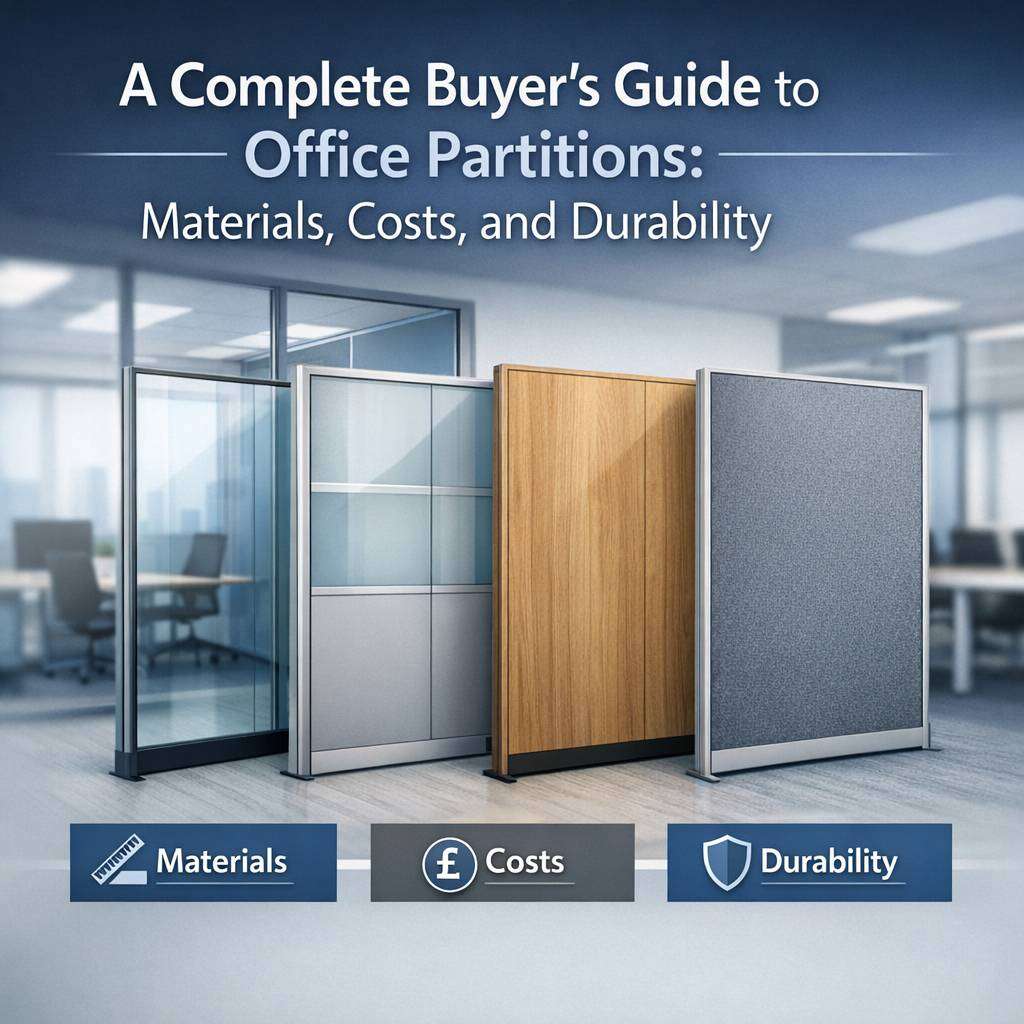
In today’s dynamic work environments, the right office partitions can transform space efficiency, acoustics, and collaboration. This guide provides a comprehensive overview of materials, costs, and durability considerations to help you select the best solution for your organisation. From glass office walls London projects to frosted glass office walls that ensure privacy without sacrificing light, the options are diverse, and understanding their trade-offs is essential for a smart investment.
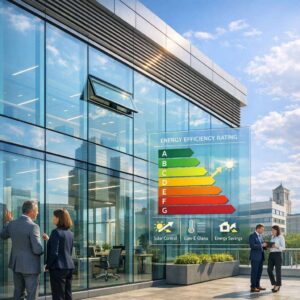
When planning a remodel or new build, you’ll want to balance aesthetics with functionality. This guide covers key factors to consider, energy efficiency implications, and practical maintenance tips to keep your partitions looking pristine and performing well for years to come.
Materials and configurations to consider
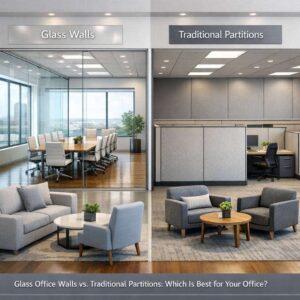
There is a broad palette of materials for office partitions, each with distinct advantages. Glass partitions, including frameless glass partitions and doors, are popular for creating open, bright spaces that still offer separation. Glass walls for office space can be configured as clear or frosted to control visibility while maintaining light transmission. An internal glass partition is commonly used to delineate meeting rooms, private offices, or collaboration zones without creating a sense of enclosure.
- Glass office walls London projects frequently specify tempered or laminated safety glass for durability and compliance with safety standards. These options reduce the risk of injury from impact and maintain structural integrity over time.
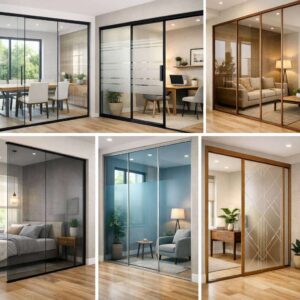
- Frosted glass office walls provide privacy while retaining a sense of openness. Different frosting patterns or gradient finishes can tailor the level of obscurity to suit your needs.
- Frameless glass partitions and doors offer a ultra-clean aesthetic with minimal visible hardware. This design choice emphasises seamless lines and maximises light flow, though it may require more meticulous maintenance and higher-quality hardware to sustain long-term performance.
- Solid-skin or hybrid partitions (combining plaster, timber, or metal with glass) can deliver enhanced acoustics and privacy where needed while preserving the visual benefits of glass.
Acoustic performance is a critical factor. While glass partitions are ideal for light and openness, their acoustic ratings vary. For spaces like private meeting rooms or phone booths, consider laminated acoustic glass or adding mineral wool cores, acoustic seals, or secondary partitions to achieve the desired NRC (noise reduction coefficient) without compromising the aesthetic.
Costs are influenced by size, complexity, hardware, and the degree of customisation. Frameless designs typically carry a premium due to hardware and installation precision, while framed glass systems can offer more modular, budget-friendly options. If you’re working within a strict budget but still want the benefits of glass, consider internal glass partitions with a discreet frame or frosted panels to balance cost with privacy.
Durability concerns include impact resistance, thermal performance, and maintenance requirements. Glass walls for office space should be rated for safety and fitted with corrosion-resistant fittings, especially in high-traffic areas or environments with heavy use. If your space includes exterior exposure, such as glass wall exterior façades or exterior vestibules, you’ll want to ensure appropriate weather sealing and UV resistance to prevent yellowing or seepage over time.
Costs and lifecycle considerations
Understanding total cost of ownership helps prevent surprises after installation. Initial quotes typically cover materials, fabrication, delivery, and installation, plus any required structural modifications. For frameless glass partitions and doors, expect a premium aligned with the premium aesthetic and the bespoke nature of installation. For glass walls London clients often receive value-based proposals that factor in service life, maintenance, and potential upgrade cycles.
- Material costs: The main differentiator is glass type (standard float, tempered, laminated, or laminated acoustic), the degree of frosting or patterning, and whether you choose a frameless system or a framed panel with rails.
- Installation: Labour complexity correlates with the size of the installation, column alignment, window revelations, and whether there are existing services to accommodate (electrical, data, HVAC). Complex openings or curved configurations increase labour time and costs.
- Hardware and seals: The durability and frequency of maintenance depend on hardware quality. High-grade rollers, pivot points, and seals reduce squeak and leakage but add to upfront costs.
- Long-term maintenance: Glass is low in maintenance when cleaned with appropriate products. Frosted finishes may require special cleaning to avoid surface micro-abrasions. Regular inspection of seals, tracks, and hinges will prolong life.
- Durability investments: Laminated glass or tougher safety-rated variants deliver higher resilience but at a higher upfront cost. If your space experiences heavy usage or potential impact, investing in stronger glass and robust frame systems can minimise future replacement.
Lifecycle considerations should also include environmental impact and adaptability. Many organisations value materials that can be reconfigured as space needs evolve. Modular frameless or framed glass systems can be disassembled and reinstalled with minimal demolition, supporting future workspace reconfigurations without substantial waste.
Durability, maintenance, and practical tips
Durability is driven by material choice, build quality, and ongoing care. For glass walls for office space to remain pristine, partner with reputable installers who can provide certified safety hardware, precise glazing, and proper sealing. Frameless glass partitions and doors demand exacting tolerances; ensure that installation teams have appropriate experience with frameless systems to prevent misalignment, leaks, or failure over time.
- Cleaning: Use pH-balanced glass cleaners and microfiber cloths to avoid streaks. Avoid abrasive pads that can scratch frosted or etched finishes.
- Seals: Inspect seals periodically for wear or gaps that may compromise acoustic performance or thermal efficiency. Replace deteriorated seals promptly.
- Hardware: Check hinges, rollers, and brackets for signs of wear or looseness. Tighten or replace as needed to maintain smooth operation and reduce noise.
- UV and weather: For glass wall exterior or spaces exposed to direct sunlight, consider UV-protective coatings or films to reduce heat gain and colour fading of adjacent furnishings.
- Reconfiguration: If you anticipate future changes, opt for modular systems with compatible connection profiles. This ensures that you can scale or reconfigure without significant downtime or waste.
When selecting a supplier, request case studies that demonstrate successful implementations in settings similar to yours—especially projects featuring glass office walls London or interiors with internal glass partition configurations. A competent provider will guide you through material selection, acoustics, and compliance considerations, and deliver a clear plan for installation, maintenance, and potential future upgrades.
In summary, whether you choose glass walls for office space, frosted glass office walls, or frameless glass partitions and doors, the right specification combines aesthetics with practical performance. By evaluating materials, costs, and durability in the context of your space and organisational needs, you can achieve a timeless, efficient, and cost-effective solution.
For modern offices seeking flexible layouts, office partitions offer adaptable space division without major renovations. These solutions enhance privacy, reduce noise, and boost productivity by creating focused zones within open work environments. When considering materials, choose durable panels, sound-absorbing cores, and easy-access mounting systems to minimize disruption. Visit https://www.urbansquare.net/ for ideas on partitions and design tips that transform how teams collaborate. Explore options that balance aesthetics, functionality, and cost.