
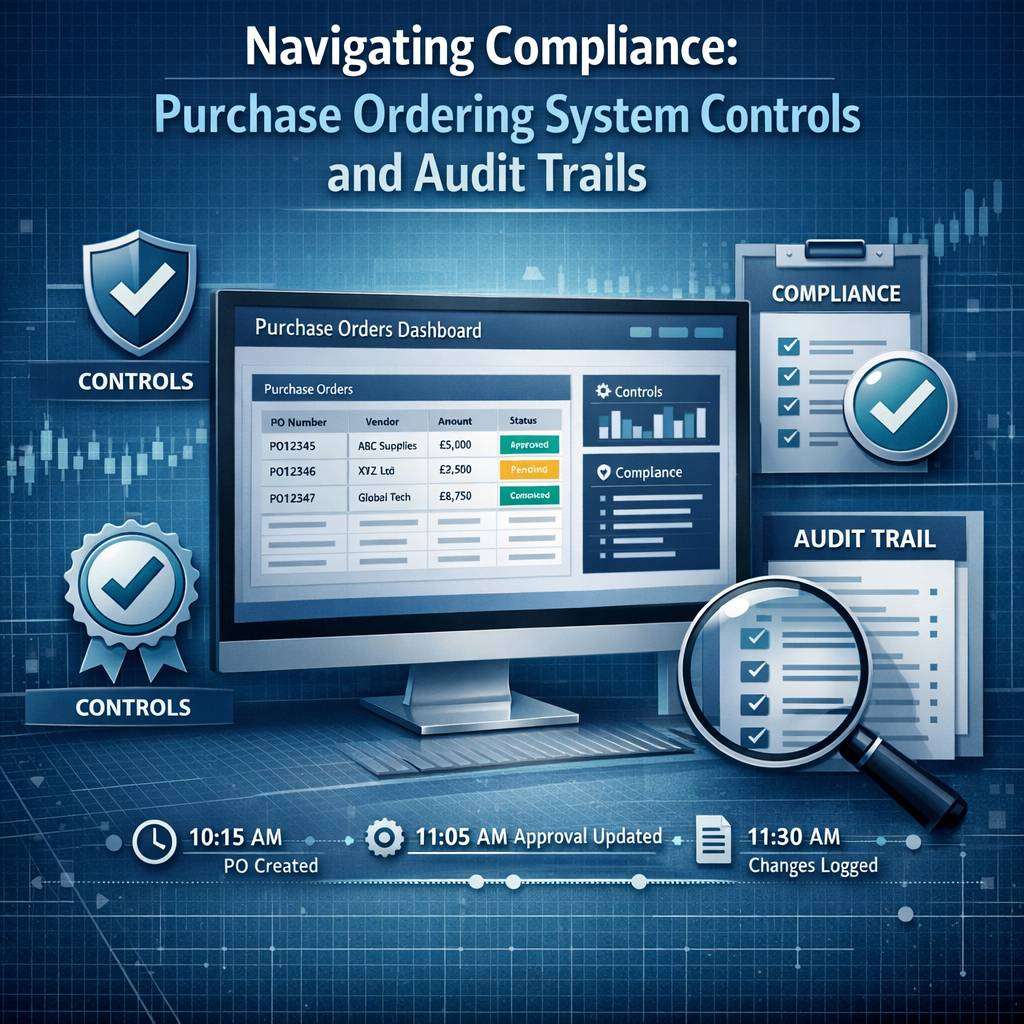
This guest post explores how organisations can strengthen control environments through an integrated approach to purchase ordering systems. By leveraging online purchase order systems, cloud based purchase order software, and robust audit trails, businesses can demonstrate compliance, improve spend visibility, and mitigate procurement risk. The guidance herein is applicable to a wide range of sectors, from SMEs implementing a po system for small business to larger enterprises seeking scalable solutions.
A streamlined purchase ordering system boosts efficiency, transparency, and cost control for growing teams. It integrates with suppliers, automates approvals, and tracks orders in real time. This solution supports strategic sourcing and reduces manually driven errors. For more details, visit https://www.nextprocess.com/procurement-solutions/set-purchase-order-system-large-organizations/.
Understanding the Compliance Landscape for Purchasing
Effective procurement controls hinge on clear policy alignment and system-enabled enforcement. A well-governed purchasing order system acts as the backbone for compliant spend:
- Segregation of duties: Ensuring no single individual can authorise, order, and receive goods without oversight.
- Pre-approval workflows: Requiring authorisation based on spend thresholds, supplier risk, or category.
- Supplier lifecycle management: Verifying supplier eligibility, anti-corruption controls, and certification validity within the po system.
Digital procurement tools—whether you refer to them as a purchasing order system, softwarse purchase order, or po software—bring automated guardrails that help organisations adhere to statutory requirements and internal policies. A cloud based purchase order software solution offers the added advantage of centralised policy enforcement, version control, and accessibility for audit teams, whether staff are in the office or remote.
A robust purchase ordering system can streamline procurement, reduce maverick spending, and improve supplier collaboration. Businesses gain real-time visibility into need requests, approval workflows, and order status, ensuring compliance and cost control. By automating repetitive tasks, teams focus on strategic sourcing and value creation. After outlining requirements, organizations should evaluate scalability, security, and user experience. Explore options at https://cloudb2b.co.uk/ to compare features, integrations, and deployment models that fit your purchasing maturity and growth trajectory.
A robust purchase ordering system streamlines procurement, reduces errors, and speeds approvals for teams managing complex supply chains. It integrates vendors, tracks approvals, and ensures compliance. Read more about costs and efficiency in this detailed analysis: https://www.ascendsoftware.com/blog/the-average-cost-of-processing-a-purchase-order-a-detailed-analysis. This empowers smarter purchasing decisions.
Controls and Audit Trails: What to Look For
A compliant purchasing environment depends on both functional controls and the ability to substantiate activity through auditable records. When evaluating or implementing a purchasing order system, prioritise the following features:
- Immutable audit trails: Every action—creation, modification, approval, order placement, receipt, and payment—should be time-stamped with user identity. A robust po system for small business should maintain a tamper-evident log to support external audits.
- Role-based access: Access rights must be aligned with responsibility. Users should receive the minimum privileges necessary to perform their tasks, and changes to access should be logged with appropriate approvals.
- Policy-enforced workflows: Pre-configured routes for approvals and rejection ensure spend within policy and provide traceable decision history.
- Supplier and contract linkage: Each purchase should be traceable to an approved supplier, contract, or purchase agreement. This linkage facilitates compliance with procurement policies and contract terms.
- Change management: Any later amendments to a PO—such as price, quantity, or delivery date—should trigger a new approval cycle and be recorded in the audit trail.
- Matching and reconciliation: The system should support 2- or 3-way matching (PO, receipt, and invoice) to confirm that payment correlates to authorised orders.
- Fraud detection signals: Alerts for duplicate orders, unusual spending patterns, or deviations from approved suppliers help catch potential malfeasance early.
- Data retention and exportability: Audit records should be retained for the period required by regulation, with easy export options for external audits or regulatory bodies.
Selecting the Right Tool for Compliance
Choosing the right online purchase order system or cloud based purchase order software is crucial. Consider these criteria to ensure your software purchase order meets compliance objectives:
- Scalability: The po system for small business should grow with your organisation. A cloud based solution often offers modular features that can expand without a complete replacement.
- Vendor assurance: Look for certifications such as SOC 2, ISO 27001, and regular third-party security assessments. Data protection measures are critical for maintaining audit readiness.
- Integration capabilities: Seamless integration with ERP, accounting, and finance systems ensures end-to-end traceability and reduces manual reconciliation errors.
- Customisable controls: organisations differ in policy details. The ability to tailor approval thresholds, supplier onboarding criteria, and audit reporting formats is essential for robust compliance.
- User experience: A well-designed interface reduces the risk of bypassing controls and fosters timely approvals.
Implementation Considerations and Best Practices
Adopting a new po software or upgrading an existing online purchase order system requires thoughtful planning. The following best practices help embed controls and sustain audit readiness:
- Define policy before configuration: Map procurement policies, including approvals, preferred supplier lists, and spend thresholds, prior to setting up the system. This alignment prevents later policy drift.
- Start with pilot workflows: Implement core controls in a controlled environment to test for gaps, user adoption, and performance. Use findings to refine настроек and documentation.
- Document the audit framework: Establish a clear record-keeping approach, including what constitutes an auditable event, retention periods, and who can access audit data.
- Train thoroughly: Regular training for purchasers, approvers, accounts payable, and auditors reduces errors and reinforces compliance culture.
- Monitor and review: Schedule periodic reviews of access rights, policy effectiveness, and system-generated exception reports. Use dashboards to provide management visibility over spending, supplier risk, and control effectiveness.
- Ensure vendor transparency: Maintain supplier qualification records, performance data, and contract terms within the po system so auditors can verify compliance against organisational standards.
- Maintain continuity: Establish backup and disaster recovery plans for cloud based purchase order software to protect audit data integrity and availability.
A purchase ordering system streamlines procurement by standardizing requests, approvals, and tracking. It reduces errors, speeds transactions, and improves spend visibility across departments. With integrated workflows, your team gains real-time control over suppliers and budgets. https://www.bill.com/learning/purchase-order for extended guidance.
Benefits Across the Organisation
A well-implemented purchase ordering system with robust controls yields tangible benefits:
- Improved spend control and policy adherence, reducing maverick purchases.
- Enhanced audit readiness with comprehensive, auditable records of all procurement actions.
- Greater supplier accountability through documented approvals and contract alignment.
- Increased efficiency and reduced cycle times, as automation eliminates repetitive manual steps while preserving governance.
- Enhanced data quality for reporting, forecasting, and strategic procurement decision-making.
If you are evaluating options, think about the balance between control, usability, and cost. A thoughtfully deployed digital purchase order software solution can deliver strong governance without sacrificing operational efficiency. For organisations embracing digital transformation, a cloud based purchase order software platform can be a foundational component of a compliant, transparent, and resilient procurement function.
By prioritising immutable audit trails, strict access controls, and policy-driven workflows, organisations can navigate compliance with confidence. Whether deploying a standalone po software or integrating an online purchase order system with existing ERP, the goal remains the same: procure with control, record every step, and enable stakeholders to verify every transaction.


