A modern purchase order system streamlines procurement, improves visibility, and reduces manual errors. By automating approvals, tracking spends, and centralizing supplier communications, teams gain real-time control over procurement cycles. Implementing scalable processes supports compliance and faster turnaround. For guidance on managing an order, visit the link in the second half: https://businessservices.wisc.edu/purchasing/managing-your-order/
In today’s fast-moving procurement landscape, getting spend under control while maintaining process efficiency is a decisive competitive advantage. A well-chosen purchase order system can streamline approvals, improve visibility, and reduce maverick spending. This guide outlines the essential features to seek in a modern solution and explains how different capabilities map to real-world procurement challenges.
A robust po system software foundation should be scalable, secure, and user-friendly. When evaluating options, consider not only the current needs of your organisation but also how the system will grow with you—accommodating more users, higher transaction volumes, and additional supplier networks without compromising performance. The right system supports consistent purchasing practices across departments, helping you enforce policy, maintain data integrity, and generate actionable insights from purchase data.
Purchase Order Systems
A comprehensive purchase order systems offering should deliver end-to-end lifecycle management, from requisition to payment. Look for these core capabilities:
- Requisition to order workflow: A clear, auditable path from initial request through approval and PO creation.
- Real-time status tracking: Transparent visibility into approvals, PO issuance, receipts, and invoicing.
- Role-based access control: Ensure appropriate permissions for buyers, approvers, and finance personnel.
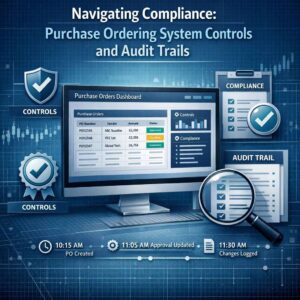
- Audit trails: Immutable records of changes, approvals, and communications.
Cloud-based deployment can be a strong differentiator here. A cloud purchase order system enables distributed teams to collaborate efficiently, reduces on-premises maintenance, and supports rapid updates from any location. It also simplifies disaster recovery and compliance reporting, which are critical for governance in regulated industries.
Purchase Ordering Software
Purchase ordering software should be practical, with intuitive interfaces that drive user adoption. When assessing options, prioritise:
- Template-driven PO creation: Standardised templates reduce errors and speed up processing.
- Flighted approval routing: Intelligent routing ensures POs reach the right approver based on amount, department, or project.
- Optional electronic invoicing integration: Seamless hand-offs to accounts payable minimise delays and manual data entry.
- Supplier management tools: Approved supplier lists, term management, and performance tracking help negotiate better terms.
The best purchasing ordering software also supports batch processing for high-volume environments, enabling bulk PO creation and updates without sacrificing accuracy. In addition, the ability to attach documents, add line-item notes, and track unit of measure (UoM) standards helps maintain clarity across buying teams and suppliers.
A robust purchase order system streamlines procurement workflows, improves spend visibility, and reduces manual errors across departments. By automating approvals, tracking status, and integrating with suppliers, teams gain real-time control over purchasing cycles. For scalable, cloud-based efficiency and reliable vendor management, explore solutions that fit your needs: https://cloudb2b.co.uk/
Software Purchase Order
When evaluating software purchase order capabilities, organisations should examine both functional depth and integration potential:
- Data standardisation: Consistent fields for supplier, item, part number, cost centre, and GL account improve reporting and reconciliation.
- AR/AP integration readiness: Smooth data exchange with finance systems reduces duplicate entry and accelerates month-end close.
- Compliance and policy enforcement: Enforce purchasing limits, required approvals, and preferred supplier usage to maintain governance.
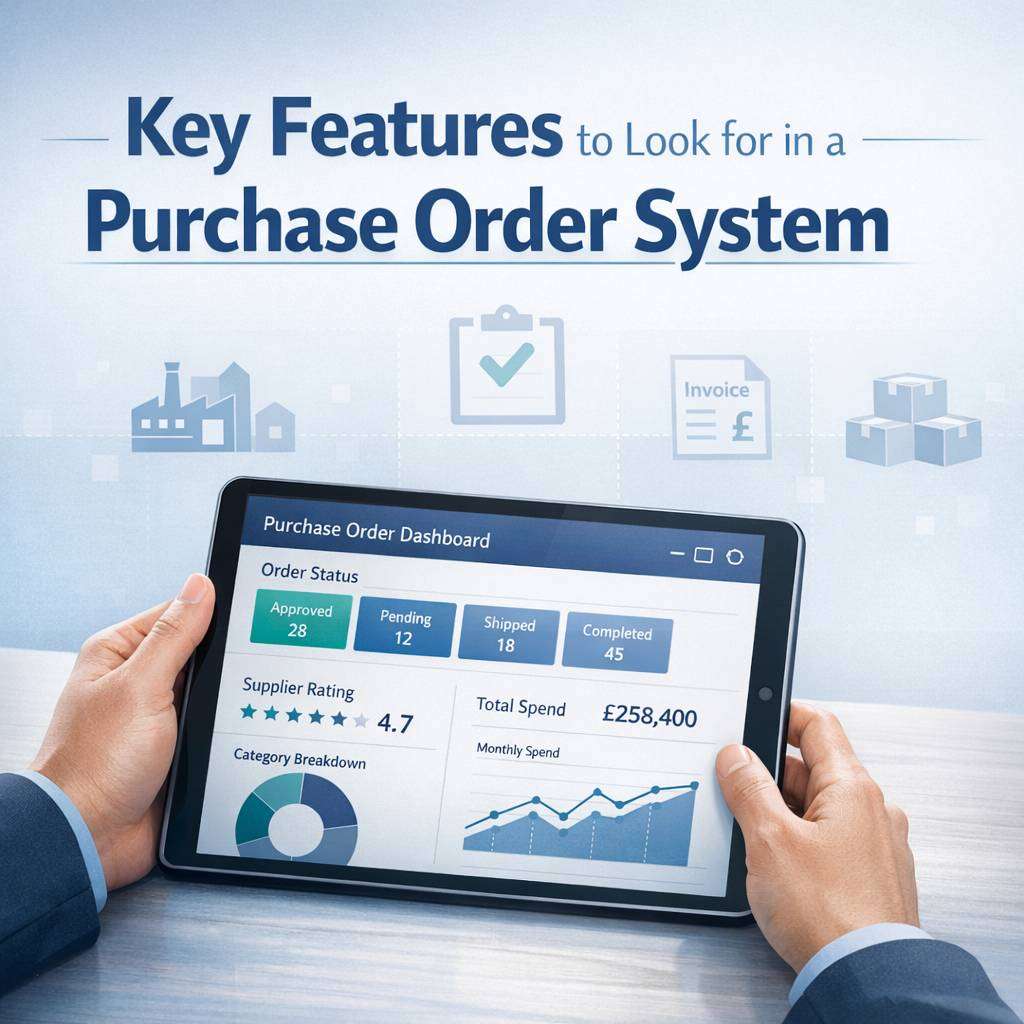
- Analytics and reporting: Pre-built dashboards and ad hoc reporting empower procurement leadership to identify savings opportunities and monitor supplier risk.
Security considerations are paramount for software purchase order deployments. Ensure encryption in transit and at rest, multi-factor authentication, and regular vulnerability management. For organisations with dispersed teams or international operations, a cloud purchase order system with regional data centres can help comply with data sovereignty requirements while maintaining performance.
Purchase Order Control System
A strong purchase order control system safeguards spend and improves procurement discipline. Key features to seek include:
- Budget validation: Real-time checks against allocated budgets prevent over-expenditure before a PO is issued.
- Inflow and outflow controls: Policy-based controls for approvals, fund restrictions, and audit-ready records.
- Change management: The ability to modify approved POs with traceable approval history and justification.
- Spend analytics: Granular visibility into supplier performance, category spend, and variance analysis supports informed decision-making.
An effective PO control system also supports exceptions management. When deviations are necessary, the system should route exceptions through predefined escalation paths, maintaining governance while offering agility to buying teams.
Cloud Purchase Order System
Cloud advantages extend beyond convenience. A cloud purchase order system typically offers:
- Rapid deployment and lower upfront costs: Minimise IT burden and accelerate time-to-value.
- Continuous updates: Access to the latest features, security patches, and compliance enhancements without on-site upgrades.
- Global collaboration: Real-time sharing of POs, requisitions, and approvals across geographies.
- Scalability: Seamless handling of growing purchase volumes, supplier networks, and multi-currency transactions.
However, evaluate vendor reliability, data residency options, service level agreements (SLAs), and exit strategies. Data portability and vendor lock-in considerations are critical to mitigate long-term risk.
Po System Software
Choosing the right po system software requires aligning product capabilities with organisational process maturity. Look for:
- Flexible configuration: Customisable approval rules, PO numbering formats, and field mappings that fit your business language and reporting needs.
- Item and service differentiation: Distinguish between physical goods and services with appropriate milestone tracking and warranty handling.
- Workflow automation: Automated PO generation from approved requisitions, reminders for overdue approvals, and automatic PO amendments when supplier terms change.
- Mobile access: Empower buyers and approvers to act from the field or remote locations, maintaining efficiency and control.
Interoperability is another critical factor. The system should integrate smoothly with ERPs, supplier networks, and e-invoicing platforms to avoid data silos and duplication.
Purchasing Order Software
For purchasing order software, the emphasis should be on operational effectiveness and user adoption. Prioritise:
- Vendor and catalog integration: Direct access to supplier catalogues, negotiated terms, and unit prices to speed PO creation and accuracy.
- Purchase order lifecycle clarity: Clear status indicators (Draft, Pending Approval, Approved, Sent, Received, Invoiced) and corresponding permissions.
- Receipt matching and three-way match: Align PO, goods receipt, and supplier invoice to ensure accurate payments.
- Alerts and notifications: Proactive reminders for approvals, expiring supplier terms, or missing receipts to prevent bottlenecks.
A well-chosen purchasing order software supports continuous improvement initiatives by capturing data on cycle times, approval delays, and supplier performance.
Cloud Based Purchase Order System
Finally, a cloud based purchase order system should deliver measurable benefits in cost, control, and collaboration. Evaluate:
- Availability of APIs: Robust API access enables custom integrations and future-proof expansion.
- Data analytics and benchmarking: Built-in analytics, benchmarking modules, and custom KPIs to track savings and compliance.
- Identity and access controls: Centralised management of users, roles, and permissions across the organisation.
- Data sovereignty and privacy: Ensure regional data storage complies with applicable laws and corporate policies.
In summary, the right purchase order system is not merely a collection of features but a carefully implemented platform that harmonises procurement processes, strengthens governance, and unlocks actionable insights. By focusing on lifecycle management, governance controls, cloud delivery, and seamless integrations, organisations can realise tangible improvements in efficiency, accuracy, and supplier collaboration.
A robust purchase order system streamlines procurement, reduces manual errors, and improves supplier communication. With automated PO creation, tracking, and approval workflows, your team can cut processing time and gain real-time visibility into spend. For more on how the right solution supports your needs, visit https://free-procurement.com/about-the-software/. Integrating a scalable purchase order system helps enforce policy compliance, consolidate data, and optimize inventory levels, delivering measurable cost savings and greater operational resilience.
A robust purchase order system streamlines procurement, reduces errors, and boosts visibility across departments. It ensures timely approvals and accurate tracking of spend. For more insights, check this resource: https://www.costtracker.com/8-great-benefits-of-using-a-purchase-order-system/ with practical tips.