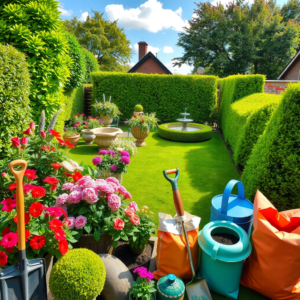
In recent years, the shift towards sustainability has permeated many sectors, with the landscaping industry being no exception. As both professionals and homeowners increasingly seek eco-friendly options, it is essential to understand how to make informed choices regarding garden and landscaping supplies. Using sustainable materials not only benefits the environment but also enhances the functionality and aesthetic appeal of a garden.
Sustainable landscaping supplies encompass a wide range of materials and practices that contribute to ecological health. This guide will explore essential elements of sustainable landscaping, including sourcing materials, selecting plants, and understanding supply chains. Whether you are searching for landscaping supplies near you or considering trade landscaping supplies, the aim is to make responsible choices that promote biodiversity and conserve resources.
When planning your dream outdoor space, investing in quality garden and landscaping supplies is essential. Whether you’re looking for soil, seeds, or decorative stones, having the right materials will make a difference in your project’s success. For an extensive range of products, check out dandjsupplies.co.uk. With their diverse offerings, you can create a stunning landscape that enhances the beauty and functionality of your garden.
Sourcing Sustainable Materials
One of the fundamental aspects of sustainable landscaping is choosing the right materials. Various landscaping supplies companies now offer eco-friendly options that minimise environmental impact. Key materials to consider include:
Recycled Materials: Many landscaping supplies companies provide products made from recycled materials, such as reclaimed wood for decking or paving stones. These materials not only reduce waste but also impart a unique aesthetic to outdoor spaces.
Biodegradable Mulch: When selecting mulch, opt for organic options like bark or straw that decompose and enrich the soil. This not only provides nutrients to plants but also helps retain moisture and suppress weeds, reducing the need for chemical herbicides.
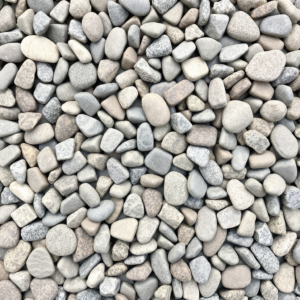
Sustainable Hardscaping: Incorporating permeable paving stones allows rainwater to infiltrate the ground, reducing runoff and promoting groundwater recharge. Furthermore, materials such as sustainably sourced stone or recycled glass provide both durability and an eco-friendly profile.
When sourcing these materials, it is prudent to consider local suppliers, such as landscaping supplies Cambridge or Peterborough, which can reduce transportation emissions and support the local economy.
Transform your outdoor space with the best garden and landscaping supplies available. From soil and mulch to decorative stones and tools, you’ll find everything you need to create a stunning landscape. Enhance your garden’s beauty and functionality by exploring high-quality options tailored to your needs. Visit https://dandjsupplies.co.uk to discover an extensive selection.
Selecting Native Plants
The choice of plants in your garden plays a pivotal role in creating a sustainable landscape. Native plants are adapted to the local climate and soil conditions, making them more resilient and typically requiring less water and fertiliser. Here are some reasons to favour native plants in your landscaping projects:
Biodiversity: Native plants support local ecosystems by providing habitats for birds, insects, and other wildlife. By utilising species that naturally thrive in your area, you contribute to the preservation of biodiversity.
Pest Resistance: Native plants are less susceptible to local pests, reducing the need for chemical pesticides. This is particularly beneficial for organic gardening and maintaining a healthy environment.
Minimal Maintenance: Because native plants are well-suited to their environment, they require less upkeep in terms of watering and fertilisation, allowing you to maintain a beautiful landscape that is low in resource consumption.
As you explore garden and landscaping supplies, consider visiting local nurseries that specialise in native species or even seeking resources from local horticultural societies to inform your selections.
Efficient Water Management Solutions
Water management is pivotal in sustainable gardening. Implementing efficient irrigation systems can drastically reduce water waste while ensuring your plants remain healthy. Here are some valuable solutions to consider:
Rainwater Harvesting Systems: Installing rain barrels can capture runoff from roofs, providing a free, naturally soft water source for gardens. This system not only conserves water but also reduces the burden on stormwater systems.
Drip Irrigation: Drip irrigation systems deliver water directly to the plant roots, minimising evaporation and runoff. This method is highly efficient and can be tailored to the specific needs of different plants, promoting healthier growth.
Drought-Resistant Plants: Incorporating drought-resistant plants into your landscape design can also reduce water usage. These plants thrive in dry conditions, making them ideal for regions prone to water shortages.
When searching for landscaping supplies direct from suppliers, inquire about water management solutions that can optimise your garden’s sustainability. By selecting the right tools and materials, you can cultivate a thriving landscape that aligns with eco-friendly principles.
In summary, the path to a sustainable garden is paved with informed decisions regarding landscaping supplies and practices. From sourcing recycled and biodegradable products to selecting native plants and efficient water management solutions, every choice counts. By considering local options such as landscaping supplies Cambridge or Peterborough, you not only enhance your garden but also contribute to a healthier planet.